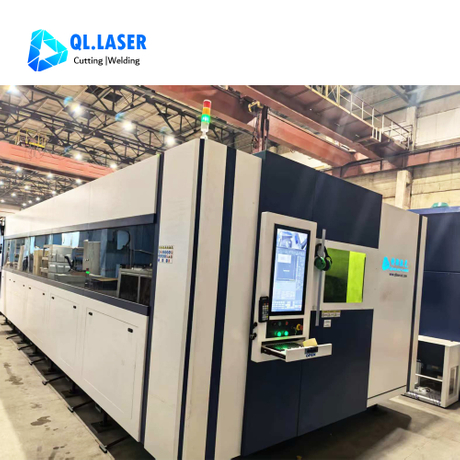
Bevel & Marking Fiber Laser Cutting Machine: Transforming Shipbuilding Efficiency
In the shipbuilding industry, where precision, durability, and efficiency are non-negotiable, the demand for advanced metal processing technology continues to grow. Ship hulls, structural components, and marine parts require high-precision cutting, seamless weld preparation, and reliable traceability—all of which can be achieved with a fiber laser cutting machine with bevel and marking functions. This all-in-one solution is revolutionizing shipbuilding workflows, replacing traditional cutting and marking methods with faster, more accurate, and cost-effective operations. Let’s explore how this technology is reshaping the marine manufacturing landscape.
Why Shipbuilding Needs Fiber Laser Cutting with Bevel & Marking Capabilities
Shipbuilding involves processing large, thick metal plates (often marine-grade high-strength steel like AH36, DH36, or EH36) into complex shapes—from hull panels and bulkheads to I-beams and structural channels. Traditional cutting methods (such as plasma or oxy-fuel cutting) often leave rough edges, require extensive secondary processing, and fail to integrate marking, leading to inefficiencies, errors, and increased labor costs.
A fiber laser cutting machine with bevel and coding functions addresses these pain points by combining three critical operations in one system: precision cutting, bevel preparation for welding, and on-the-spot marking. This integration not only streamlines production but also ensures compliance with strict maritime industry standards, where structural integrity and traceability are paramount. For shipyards aiming to meet IMO 2030/2050 emission regulations and build lighter, more efficient vessels, this technology is no longer an option—it’s a necessity.
Key Functions: How Bevel & Marking Elevate Shipbuilding Operations
The true value of this equipment lies in its dual core functions, which work in tandem to optimize every stage of marine component fabrication. Let’s break down how each feature benefits shipbuilding:
1. Bevel Cutting: Perfect Weld Preparation for Marine Structures
Welding is the backbone of shipbuilding, and proper bevel preparation is essential for strong, leak-proof welds—especially for thick steel plates (12mm to 50mm or more) used in hulls and structural components. A fiber laser cutting machine with bevel capabilities uses a 3D infinite rotation cutting head that can tilt up to ±45°, allowing for precise V, Y, K, A and X-type bevel cuts in a single pass.
Unlike traditional methods that require separate cutting and beveling steps (often involving manual grinding), the laser system cuts the part and prepares the bevel simultaneously. This eliminates secondary processing, reduces labor time by up to 70%, and ensures consistent bevel angles (with ±0.1° angular accuracy) across all components. For shipyards, this means faster weld preparation, reduced filler material usage, and stronger welds that withstand the harsh marine environment.
High-power fiber lasers (12kW, 20kW, or higher) are particularly effective here, as they can cut through thick steel with minimal heat-affected zones (HAZ), preserving material integrity and preventing distortion—a common issue with plasma cutting that can render large plates unusable without extensive rework.
2. Marking & Coding: Full Traceability for Marine Components
Ships are composed of hundreds of thousands of components, and traceability is critical for quality control, maintenance, and compliance with maritime regulations. A fiber laser cutting machine with integrated marking (or coding) functionality solves this by printing permanent, high-contrast identifiers directly on the metal surface during the cutting process.
The marking function uses non-contact UV ink to apply essential information, including:
• Part numbers and batch codes
• Material specifications (e.g., steel grade, thickness)
• Welding instructions and assembly directions
• QR codes or barcodes for one-piece traceability
• Company logos and compliance marks
Unlike traditional ink marking, which smudges easily and fades over time, laser marking is resistant to corrosion, heat, and harsh marine conditions—ensuring traceability throughout the ship’s lifecycle. This not only simplifies inventory management and assembly but also helps shipyards meet strict quality standards and regulatory requirements.
Real-World Applications in Shipbuilding
From small components to large structural parts, a fiber laser cutting machine with bevel and marking functions is versatile enough to handle all shipbuilding needs. Here are some key applications:
Hull Panel Fabrication
Hull panels require precise cutting and beveling to ensure a tight, watertight fit during assembly. The laser system cuts large steel plates (up to 3m x 12m or larger) into custom shapes, prepares bevels for welding, and marks each panel with its position in the hull—eliminating errors and reducing assembly time. High-power lasers (20kW+) can even cut through 40mm carbon steel with a smooth finish that requires no post-processing.
Structural Component Processing
I-beams, H-beams, and channels—the "backbone" of a ship—require complex cuts and bevels for seamless integration. The 3D infinite rotation cutting head navigates the flanges and webs of these components, making precise cope cuts, bird-mouth cuts, and bolt holes in one continuous operation. This consolidates multiple mechanical processes into one, reducing lead times by up to 70%.
Marine Pipe and Duct Cutting
Ships rely on intricate pipe and duct systems for plumbing, ventilation, and hydraulics. The laser machine cuts tubes of various diameters with high precision, creating beveled edges for secure connections. The non-contact cutting process ensures no mechanical stress on the tubes, preserving their structural integrity.
Custom Component Manufacturing
From engine room components to ventilation ducts, the laser’s ability to cut complex shapes with high accuracy makes it ideal for custom ship parts. The integrated marking function ensures each custom component is correctly identified, simplifying assembly and reducing the risk of misinstallation.
Benefits: Why This Technology Matters for Shipyard Operations
For shipyards looking to stay competitive, investing in a fiber laser cutting machine with bevel and marking isn’t just about efficiency—it’s about future-proofing operations. Here’s how this technology delivers measurable value:
• Reduced Labor Costs: Eliminates secondary beveling, grinding, and manual marking, cutting labor time by 40-70%.
• Improved Quality: Minimal HAZ, precise bevel angles, and consistent cuts reduce rework and ensure structural integrity—critical for marine safety.
• Faster Production Cycles: One-step cutting, beveling, and marking reduce lead times, allowing shipyards to take on more projects.
• Enhanced Traceability: Permanent marking ensures full component traceability, simplifying compliance and maintenance.
• Material Savings: AI-driven zero-waste nesting and narrow kerf (0.3mm vs. 3.0mm for plasma) reduce material waste by up to 25%.
• Versatility: Cuts a wide range of marine materials (carbon steel, stainless steel, aluminum) with simple parameter adjustments, adapting to diverse shipbuilding needs.
Choosing the Right Fiber Laser Cutting Machine for Shipbuilding
When selecting a fiber laser cutting machine with bevel and marking functions for shipbuilding, consider these key factors:
• Power Output: Opt for high-power lasers (20kW+) for thick steel processing (up to 50mm) and fast cutting speeds.
• Bevel Capabilities: Look for a 3D infinite rotation cutting head to handle complex bevel angles and continuous cutting without "unwinding" delays.
• Marking Quality: Ensure the marking system is durable, resistant to corrosion, and compatible with marine-grade materials.
• Worktable Size: Choose a gantry-style system with a large worktable (up to 5m x 24m) to handle large ship plates.
• Software Integration: Select a machine with advanced CNC control and nesting software for path optimization and seamless integration with ship design CAD files.
Final Thoughts: The Future of Shipbuilding is Laser-Powered
As the shipbuilding industry evolves to meet stricter regulations and growing demand for efficient, durable vessels, the fiber laser cutting machine with bevel and marking functions is becoming an indispensable tool. By integrating three critical operations into one system, it streamlines workflows, reduces costs, and ensures the highest level of precision and traceability.
For shipyards looking to gain a competitive edge, investing in this technology isn’t just a upgrade—it’s a strategic decision that will drive efficiency, quality, and profitability for years to come. Whether you’re fabricating hull panels, structural beams, or custom components, a fiber laser cutting machine with bevel and marking capabilities is the key to transforming your shipbuilding operations.