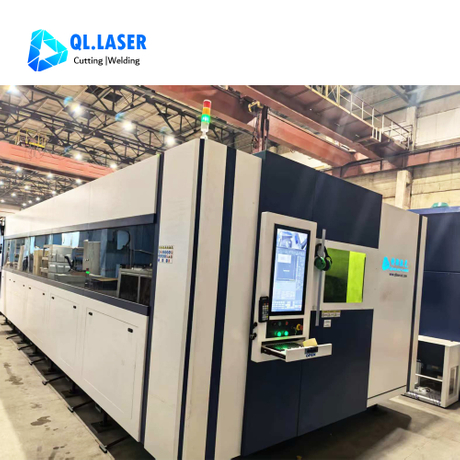
High-volume metal fabrication is hitting a ceiling with traditional sheet-fed lasers. The limitations of fixed sheet sizes—resulting in 15-20% material waste and constant manual loading—are forcing a massive shift in production strategy. These inefficiencies disrupt workflow, inflate raw material budgets, and eat into overall profit margins.
Continuous coil-fed laser cutting is rapidly transitioning from a niche technology to a standard requirement for Industry 4.0 facilities. Operations managers simply cannot afford to ignore this automated approach. It transforms raw coils directly into finished parts in one seamless flow.
Before committing capital to a standard flatbed laser, operations managers must understand how coil-fed systems are restructuring financial returns in eight specific industries. We will explore the bottlenecks they eliminate and show you how to evaluate the equipment objectively for your shop floor.
Key Takeaways
Material Utilization: Infinite-length nesting pushes material yield from an average of 80-85% up to 95-98%.
Labor Efficiency: Fully automated decoiling, leveling, and cutting reduces operator headcount requirements from 3-5 down to a single supervisor.
Process Elimination: Advanced leveling systems neutralize "coil memory" (internal material stress), ensuring perfectly flat parts without secondary straightening.
The Production Bottlenecks Driving the Switch to Coil-Fed Systems
Traditional flatbed sheet cutting creates unavoidable skeleton waste. You purchase a rectangular sheet of metal. You nest your parts inside it. You must leave margins around every edge for clamp holding and structural stability. This skeleton frame goes straight to the scrap bin. Continuous coil feeding eliminates these sheet margins entirely. By nesting parts closely along an infinite length, manufacturers capture up to 15% in direct material savings.
Standard lasers also create a severe handling bottleneck. They require constant loading and unloading. Operators remove finished sheets and load raw plates repeatedly. This cycle creates massive unplanned downtime. Coil lines operate continuously instead. They handle raw coils weighing up to 25 tons. The laser never waits for raw material. Production flows without interruption across entire shifts.
Modern continuous systems utilize tensioned-span cutting. The equipment cuts the material while suspended under tension. You no longer need to clean or replace traditional support slats. On flatbed systems, these slats collect molten slag. Operators must clean them constantly to prevent part contamination. Suspended cutting eliminates this messy, time-consuming maintenance task entirely.
7 High-Volume Industries Leveraging Coil-Fed Laser Systems
1. Automotive Manufacturing & EV Production
Electric vehicle production demands lightweight, highly durable components. Facilities process EV battery trays, structural chassis components, and complex body-in-white parts. Traditional production relies on rigid stamping dies. These dies cost a fortune and restrict design flexibility. A Coil Feeding Laser Cutting Machine replaces these dies for high-strength steel processing. It allows rapid prototyping and continuous high-speed blanking at speeds up to 120m/min. You eliminate massive retooling costs entirely.
2. HVAC & Appliance Manufacturing
Appliance makers require pristine finishes and massive volumes. Applications include white goods panels, intricate ductwork, and thin-sheet enclosures ranging from 0.5 to 2mm thick. These factories rely on standardized, high-speed continuous cutting. Coil feeding aligns perfectly with Just-In-Time (JIT) assembly lines. Parts feed directly from the laser into automated bending stations. You eliminate intermediate inventory bottlenecks.
3. Aerospace & Defense
Aerospace components utilize incredibly expensive materials. Manufacturers cut aluminum, titanium, and high-strength alloys. Scrap costs are devastating in this sector. Continuous processing maximizes the utilization of these high-cost alloys. Furthermore, it maintains burr-free, micron-level precision. This non-contact process meets the strict compliance standards required by defense contractors.
4. Electronics & Precision Enclosures
Electronics manufacturers need circuit board shielding and extremely thin metal casings. High-speed fiber lasers integrated into coil lines ensure incredibly low thermal distortion. Heat does not have time to spread into the surrounding metal. This protects delicate component tolerances. Warpage becomes a problem of the past.
5. Construction & Architectural Facades
Modern architecture demands custom stainless steel panels and continuous roofing elements. Standard 4x8 or 5x10 sheets impose hard limits on architectural design. Coil-fed systems bypass these fixed constraints completely. You unlock the unique ability to process structural components of unlimited lengths. This eliminates unsightly seams and joints in long architectural panels.
6. Transportation & Rail
Transit infrastructure requires repetitive, elongated profiles. Railcar siding panels span massive lengths. Feeding individual steel sheets into a flatbed takes too much time. You need high-volume processing of repetitive panels. Continuous lasers handle these elongated profiles with minimal operator intervention. Throughput scales dramatically.
7. Renewable Energy (Solar & Wind)
Green energy infrastructure is expanding at an unprecedented rate. Facilities manufacture solar panel mounting brackets and massive battery storage casings. You need high-efficiency, low-waste production to meet this scaling demand. Coil processing delivers the raw output necessary to support global renewable energy targets.
How to Evaluate a Coil Feeding Laser Cutting Machine
Advanced leveling capability represents the most critical component of the entire line. Rolled steel retains residual curvature and internal physical stress. We call this "coil memory." The leveler must effectively eliminate this stress. If it fails, the parts will distort and pop up immediately after the laser cuts them. Look for multi-point adjustment systems. They forcefully yield the material perfectly flat before it enters the cutting zone.
You must match the laser kW to your specific production reality. Power dictates continuous speed.
Finally, evaluate the broader automation ecosystem. A modern machine must thrive within an Industry 4.0 environment. Check its ability to integrate seamlessly with existing MES or ERP systems. You need cloud monitoring for preventative maintenance. Automated nesting optimization software should run natively. Ensure the system connects logically to robotic sorting and stacking arms.
Implementation Realities & Capital Expenditure (CapEx) Risks
The base machine cost is only the starting point of your capital expenditure. Buyers must anticipate comprehensive budget requirements. You must factor in an additional 20-35% of the base price for essential upgrades. These include automated tooling, advanced sorting robots, and specialized operator training. Building a continuous line demands a realistic financial scope.
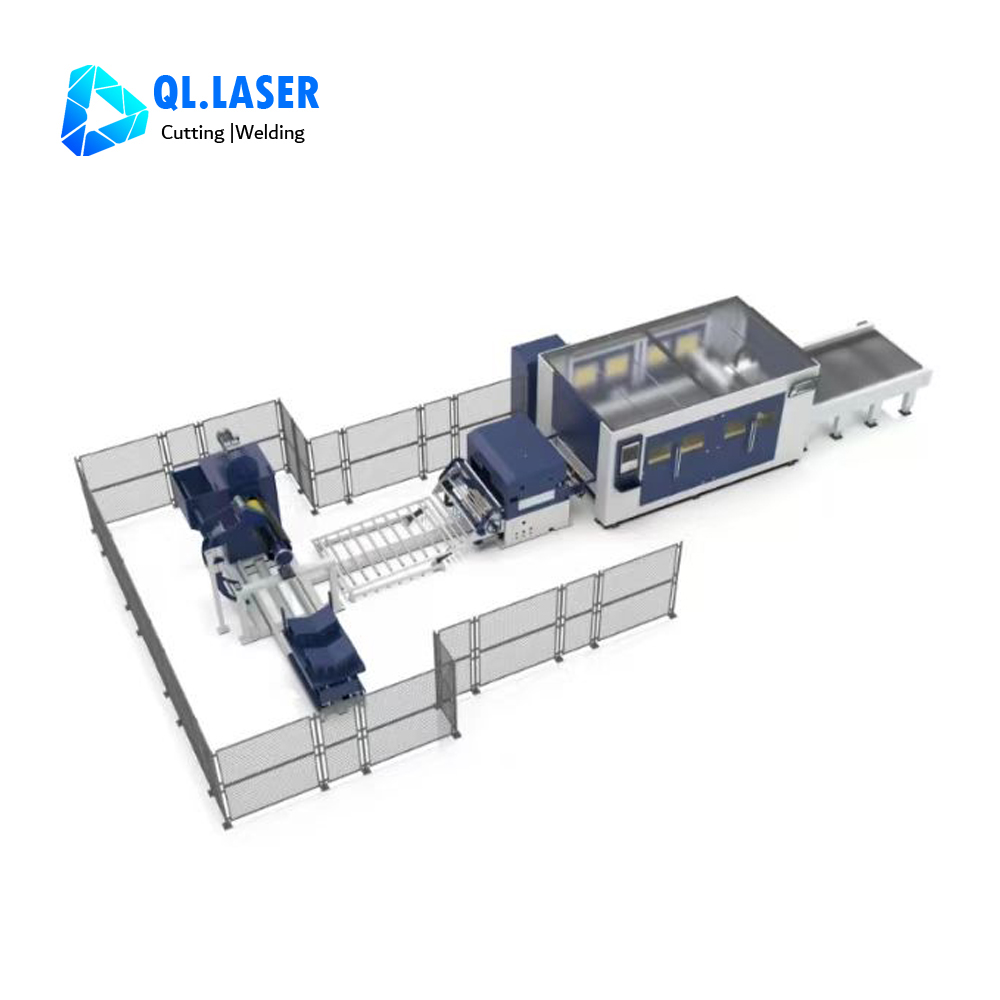
Facility footprint requirements change drastically when you move away from standard lasers. A standalone flatbed laser fits into a relatively compact square footprint. A full continuous line operates differently. The decoiler connects to the leveler, which feeds the laser, which then outputs to a sorting robot. This sequence requires significant linear floor space. You must measure your factory layout carefully before making a purchase.
Supply chain adjustments also present a unique challenge. Shifting from pre-cut rectangular sheets to master coils requires auditing your entire raw material supply chain. You must verify coil quality and edge conditions from your steel providers. Transport logistics change entirely. You must ensure your on-site crane capacities can actually lift a 20-to-25-ton master coil off the delivery truck.
Choosing the Right Coil Feeding Laser Cutting Machine Manufacturer
Prioritize system integration over solo hardware purchases. The ideal Coil Feeding Laser Cutting Machine manufacturer doesn't just sell you a laser source. They engineer the precise synchronization between the decoiler, the heavy-duty leveler, and the flying cutting head. Poor integration leads to material jamming and costly downtime.
Service networks and uptime guarantees dictate your success. Hardware will inevitably fail at some point. Shortlist manufacturers who offer robust local service networks. Ask them about predictive IoT maintenance capabilities. Smart sensors monitor motor vibrations and alert you before a bearing fails. This specific technology targets the permanent reduction of unplanned downtime.
Demand demonstrable software capability. The CNC software must handle continuous-feed nesting natively. It must possess built-in collision prevention algorithms. Avoid manufacturers who require cumbersome third-party workarounds to make the coil feed communicate with the laser. Native software integration ensures a smooth, highly responsive cutting process.
Conclusion
Transitioning to continuous coil-fed laser cutting is not merely a localized equipment upgrade. It represents a fundamental structural change in your manufacturing economics. You trade a higher initial capital expenditure for drastic, permanent reductions in material waste and labor dependency.
Follow these action-oriented next steps to begin your transition:
Audit your current scrap bins to quantify your exact skeleton waste percentage.
Calculate the labor hours currently spent loading and unloading fixed metal sheets.
Measure your available linear floor space to confirm a continuous line will fit.
Build a customized ROI model comparing your current scrap and labor costs against the throughput of an automated continuous system.
FAQ
Q: What is "coil memory" and how does the machine handle it?
A: Rolled steel retains physical stress from the manufacturing process, resulting in a natural curve. The integrated leveling unit resolves this coil memory. It uses tension and specialized staggered rollers to plastically yield the material flat before it reaches the cutting laser.
Q: How much material can infinite-length nesting actually save?
A: Traditional flatbed nesting generates an unavoidable skeleton frame, creating 15-20% material waste. Continuous infinite-length nesting drops this waste dramatically down to 2-5%. You eliminate the sheet margins entirely, though exact savings depend on specific part geometry.
Q: Can coil-fed lasers process thick plates?
A: Normal it cut within 4mm, eqiupment 6kw or 12kw laser , using air to cut, most faster.