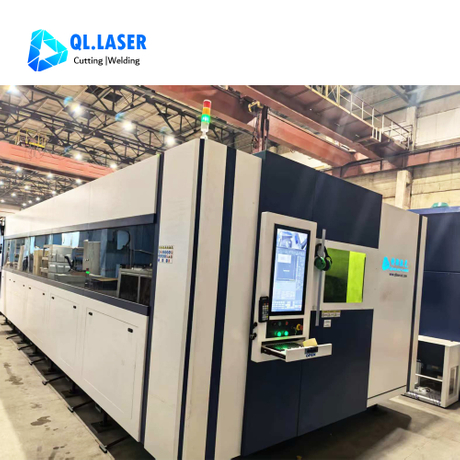
Metal fabricators frequently face a difficult dilemma. You want to expand your shop's capabilities to include tube cutting. However, limited floor space and tight capital budgets often stand in the way. Investing in a dedicated machine requires significant resources. It also demands enough physical room on the factory floor.
Is it truly feasible to process flat plates and 3D tubes on a single piece of equipment? The manufacturing industry has developed a highly commercial solution to this exact problem. The hybrid design bridges the gap between flatbed systems and dedicated tube processing units. It offers extreme versatility without demanding a massive footprint.
This article serves as a comprehensive buyer’s evaluation guide. We will help you determine if this hybrid setup aligns with your actual production needs. You will discover the mechanical architecture, the financial benefits, and the inherent trade-offs. By the end, you will know exactly how to evaluate these systems for your shop.
Key Takeaways
The Verdict: Yes, a single system can process both formats using a specialized sheet and tube laser cutting machine.
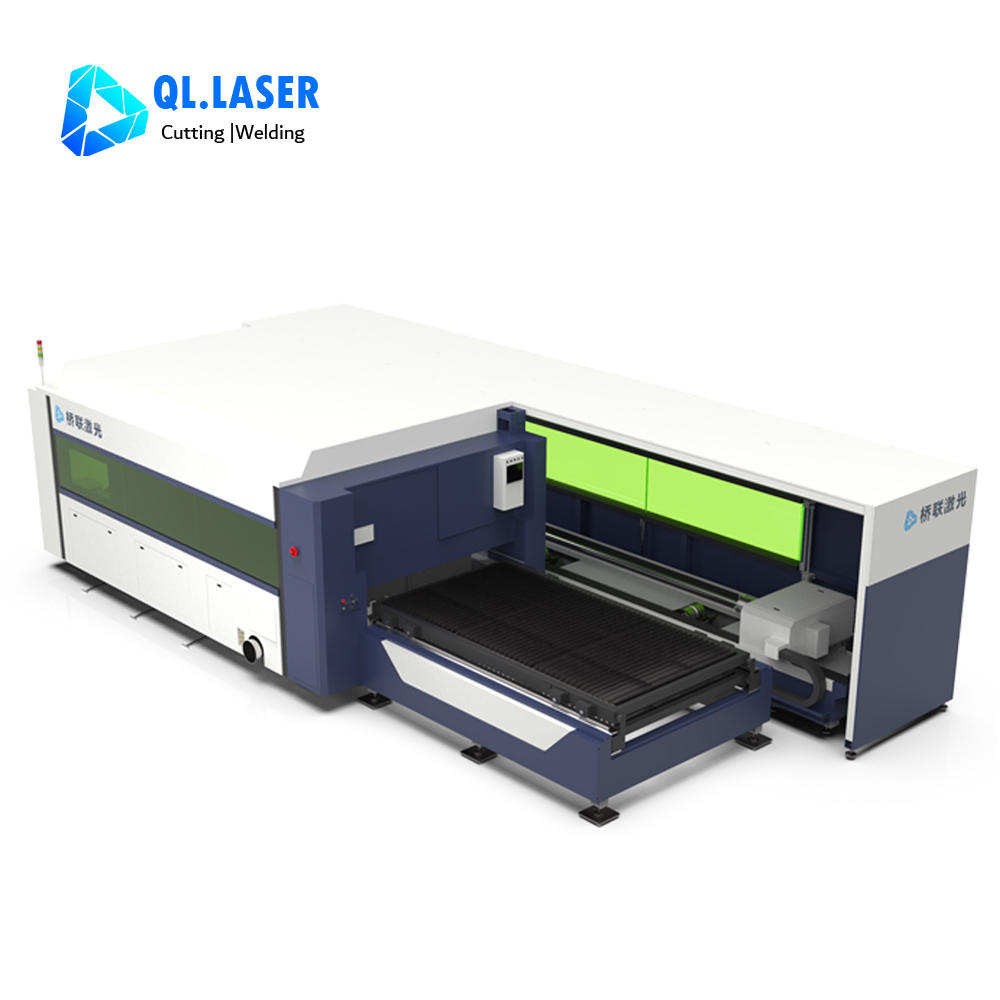
Mechanism: These machines integrate a standard 2D flatbed with a side-mounted or extended rotary chuck system.
The Main Benefit: Drastically reduces capital expenditure (CapEx) and floor space requirements compared to buying two separate machines.
The Core Trade-Off: They cannot cut sheet and tube simultaneously; high-volume production may experience bottlenecks, making them best suited for low-to-medium volume, high-mix fabrication.
How a Dual-Purpose Laser Cutting Machine Works
Understanding the mechanical layout helps operators maximize productivity. A typical dual-purpose laser cutting machine relies on a highly efficient architectural overview. The main gantry extends seamlessly beyond the standard flatbed area. It operates precisely over an adjacent rotary axis. This side-mounted rotary module acts as the holding zone for structural tubes. The machine uses a single laser source to power both cutting zones.
The switching process from 2D flat plates to 3D tubes happens quickly. Operators do not need to manually reposition heavy components. The transition follows a standardized, automated sequence:
The cutting head moves horizontally along the extended gantry.
It positions itself directly over the rotary module.
The CNC software automatically swaps the active cutting parameters.
The operator loads the structural tube into the rotary chucks.
The machine begins the 3D cutting process immediately.
Minimizing idle time remains a top priority for fabricators. This is exactly where an exchange table sheet tube cutter proves its immense value. The exchange table allows operators to load and unload flat sheets on one pallet safely. Meanwhile, the machine actively cuts tubes on the rotary axis. This parallel workflow partially mitigates typical changeover downtime. It keeps the laser firing consistently, boosting overall shop throughput.
Business Case: When to Choose an Integrated Sheet Tube Cutting Machine
The decision to invest in hybrid equipment comes down to smart resource management. A single machine footprint dramatically changes shop floor dynamics. Floor space optimization remains a huge selling point. You only need one machine footprint and one safety enclosure. Two completely separate systems require double the floor space. They also require wider walkways for forklifts and material handling. For a growing job shop, saving 300 square feet holds immense financial value.
The cost-to-capability ratio presents a strong financial argument. Consider job shops bidding on smaller tube-welding projects. You might not have enough constant tube volume to justify a dedicated $150k+ tube laser. An integrated sheet tube cutting machine drastically lowers your entry barrier. You gain the exact same structural cutting capability. You simply skip the massive initial capital expenditure.
Operator efficiency also improves significantly. Training staff on multiple software ecosystems costs time and money. A combined system centralizes your entire production workflow. Your operators learn a single CNC interface. They follow one unified maintenance protocol. Troubleshooting becomes much faster when technicians only deal with one fiber laser source. This unified approach reduces operator fatigue and lowers the learning curve for new hires.
The Risks and Production Trade-Offs (The Skeptic’s View)
No manufacturing equipment is perfect. A pragmatic buyer must understand the bottleneck reality. Processing on a hybrid machine is strictly sequential, not concurrent. The laser cannot cut a flat sheet and a round tube at the exact same millisecond. If your shop needs to run high volumes of both formats daily, challenges will arise. One integrated metal fabrication laser machine will inevitably bottleneck your production line. You must schedule jobs carefully to avoid delays.
You also introduce a critical single point of failure into your shop. A dedicated setup isolates your risk. If a dedicated tube laser breaks down, your flatbed keeps running. Hybrid machines consolidate this risk. If the laser source, water chiller, or cutting head requires maintenance, both sheet and tube production halt entirely. Preventive maintenance becomes absolutely mandatory for these systems.
Compromises in physical capabilities represent the final trade-off. Combo machines handle standard jobs exceptionally well. However, they face limitations on maximum tube weight, overall diameter, or total length. Heavy-duty, dedicated tube lasers easily manipulate massive steel I-beams. A side-mounted rotary attachment might max out at an 8-inch diameter. You must review your typical material sizes before committing to a hybrid model.
Core Evaluation Criteria for Shortlisting
Choosing the right machine requires careful technical scrutiny. You must look past the basic marketing claims. Evaluating specific mechanical sub-systems guarantees long-term success. Pay close attention to the following core criteria during your sourcing phase.
Chuck Configuration and Grip Limits
The chuck system dictates what types of tubes you can process safely. Evaluate pneumatic versus manual chucks thoroughly. Pneumatic chucks offer superior clamping force and self-centering capabilities. They reduce setup time dramatically. You must also assess the maximum tube diameter the chuck accepts. Additionally, inquire about minimum tailing limits. Tailing refers to the wasted material at the end of a tube. Better chuck designs grip closer to the cutting zone, minimizing expensive material waste.
Laser Power Matching
Matching your fiber laser wattage to your material mix takes careful planning. High power works great for plates, but poses risks for tubes. A powerful 6kW or 8kW source slices through thick carbon steel plates effortlessly. However, it risks burning completely through thin-walled aluminum tubes. You need a CNC system capable of rapid, precise power modulation. The machine must dynamically reduce wattage and adjust frequency when transitioning to delicate tube profiles.
Best Practices for Power Matching
Audit your most common plate thickness over the past year.
Identify the thinnest tube wall you plan to process regularly.
Ensure the OEM offers specific piercing parameters for thin tubular materials.
Test the machine's cooling capabilities during extended low-power tube cutting.
Software and Nesting Capabilities
Your hardware is only as effective as the software driving it. The machine must feature robust CAD/CAM software. It needs to handle complex 2D nesting effortlessly to maximize your flat plate yield. Simultaneously, it must manage intricate 3D tube profiling. The software should easily program intersecting cuts, saddle joints, and deep bevels. Poor software will turn a fast machine into a frustrating bottleneck.
Z-Axis Clearance
Vertical travel limits often catch new buyers off guard. Ensure the cutting head features sufficient Z-axis clearance. It needs plenty of room to travel safely above the rotary chuck. It also needs clearance to accommodate large structural shapes. Square tubes, rectangular profiles, and deep channel iron require significant vertical operating space. Confirm these maximum clearance dimensions with the manufacturer before signing any purchase order.
Making the Decision: Integrated vs. Dedicated Systems
Your shop's unique volume dictates the smartest purchasing path. Custom fabricators, rapid prototypers, and small job shops thrive on versatility. If your shop maintains a 70/30 or 80/20 split between sheet and tube processing, an integrated machine wins. You gain profitable tube capabilities without letting an expensive dedicated machine sit idle for days.
Conversely, some operations require brute-force throughput. High-volume manufacturers and specialized tube suppliers should buy separate machines. If your facility runs multi-shift, continuous production cycles, sequential processing will slow you down. Two dedicated machines running concurrently yield much higher daily part counts.
Table 1: Operational Comparison Overview
| Feature / Capability | Integrated Combo Machine | Dedicated Setup (Two Machines) |
| Floor Space Required | Low (Single footprint) | High (Double footprint) |
| Simultaneous Cutting | No (Sequential only) | Yes (Fully concurrent) |
| Initial Investment (CapEx) | Moderate to Low | Very High |
| Ideal Production Mix | Low-to-medium volume, high mix | High volume, specialized runs |
Your next steps require hard data. We strongly advise buyers to audit their last six months of production volume. Calculate exactly how many hours you spend on flat plates versus tubes. Request a formal time-study from the OEM. Ask them to demonstrate the exact switching time on a live plate and tube laser cutter setup. Real-world cycle times will confirm if the hybrid workflow suits your shop.
Conclusion
Processing both sheet and tube on one machine stands as a highly viable strategy. The hybrid model is commercially proven across thousands of job shops globally. It delivers exceptional edge quality across diverse material profiles. It also protects your working capital by combining two essential functions into one footprint.
Ultimately, your decision rests entirely on daily throughput requirements and available floor space. The technical limitations of combo machines disappeared years ago. Today, the choice is purely a matter of workflow optimization. A hybrid machine excels in high-mix environments, while dedicated systems dominate pure volume production.
Are you ready to optimize your factory floor? We encourage you to request a custom cycle-time calculation today. Submit your sample CAD files to our engineering team for accurate estimates. You can easily book a live demo to witness the rapid changeover process firsthand. To find the right sheet and tube laser cutting machine for your specific workflow, reach out to our experts and secure your competitive edge.
FAQ
Q: How long does it take to switch from sheet cutting to tube cutting?
A: Modern CNC controllers and automated setups can switch modes in under 2 to 5 minutes. The process mostly requires software parameter changes. The gantry shifts over to the rotary module automatically. Occasionally, the operator must manually swap the cutting nozzle depending on the upcoming material thickness.
Q: Can an integrated machine cut structural profiles like angle iron or C-channels?
A: Yes, but it depends heavily on the specific chuck design. It also relies on the 3D capabilities of the machine's CAM software. Not all dual-purpose machines support open profiles out of the box. You must verify these specific structural capabilities with the equipment manufacturer before purchasing.
Q: Is the cut quality on a combo machine the same as a dedicated tube laser?
A: Yes. Because they utilize the same high-quality fiber laser source and precision cutting heads, the edge quality remains identical. The accuracy is flawless, provided the operator clamps the tube securely in the rotary chuck system.