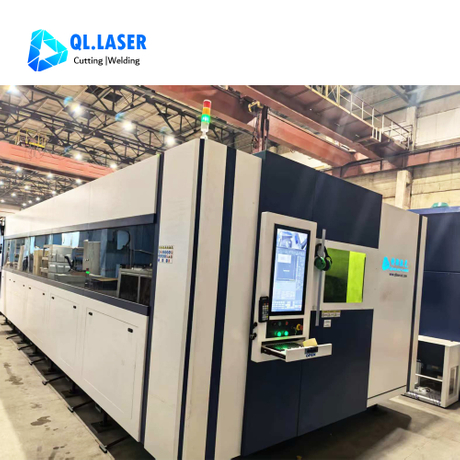
Acknowledge the harsh reality of modern capital expenditures. Investing in a fiber laser cutting machine for sheet metal is a massive financial commitment. This heavy industrial equipment directly impacts your daily production bottlenecks, overall part quality, and operating margins. Unfortunately, the current manufacturing market overflows with aggressive vendors making overlapping performance claims. Buyers often overpay for unnecessary laser wattage or drastically under-spec their machines. This common purchasing mistake leads to sluggish cutting speeds on thicker plates and severely wasted capital. We aim to solve this widespread industry confusion. We provide a sterile, strictly engineering-focused framework to properly evaluate a sheet metal laser cutter. You will learn to assess true production requirements and core component reliability. Our comprehensive guide completely cuts through the aggressive marketing noise. It ensures you select equipment based entirely on hard evidence, facility constraints, and true operational needs.
Key Takeaways
Power must align with your primary material thickness: Do not buy based on maximum capacity; buy based on your 80% daily production average.
Core components dictate uptime: The brand of the laser source, cutting head, and CNC controller matters more than the machine's external housing.
Assist gases drive operational costs: TCO extends far beyond the sticker price; nitrogen and oxygen consumption will heavily influence your ROI.
Test before purchasing: Never finalize a vendor without providing your own CAD files and material samples for a real-world test cut.
Defining Your Core Production Requirements
You must rigorously identify the 80/20 rule of your fabrication shop. Which specific materials make up 80% of your daily workload? Focus your entire purchasing decision on these core materials. You should actively avoid sizing your machine for rare 20% outlier jobs. Outsourcing occasional heavy-plate jobs costs significantly less than buying excess machine capacity. Buying a 12kW laser to cut thick plate once a month drains your capital.
Next, evaluate your production volume against required speed. Job shops usually run high-mix, low-volume orders. They demand rapid setup times and highly flexible nesting software. Operators change materials frequently throughout the shift. Conversely, production lines run low-mix, high-volume orders. They heavily rely on automated material handling and exchange tables. Determine your specific operational workflow before looking at machine specs.
Facility constraints heavily dictate your available equipment choices. Carefully evaluate your building infrastructure before signing any vendor contracts.
Floor Space: Map out the exact machine dimensions. You must include safe loading zones and forklift access aisles.
Ventilation: High-speed metal cutting generates dangerous particulate dust. You need dedicated floor space for robust extraction systems.
Electrical Infrastructure: Verify your facility easily supports massive three-phase power requirements. Upgrading a factory electrical grid costs tens of thousands of dollars.
Matching Laser Power to Material Type and Thickness
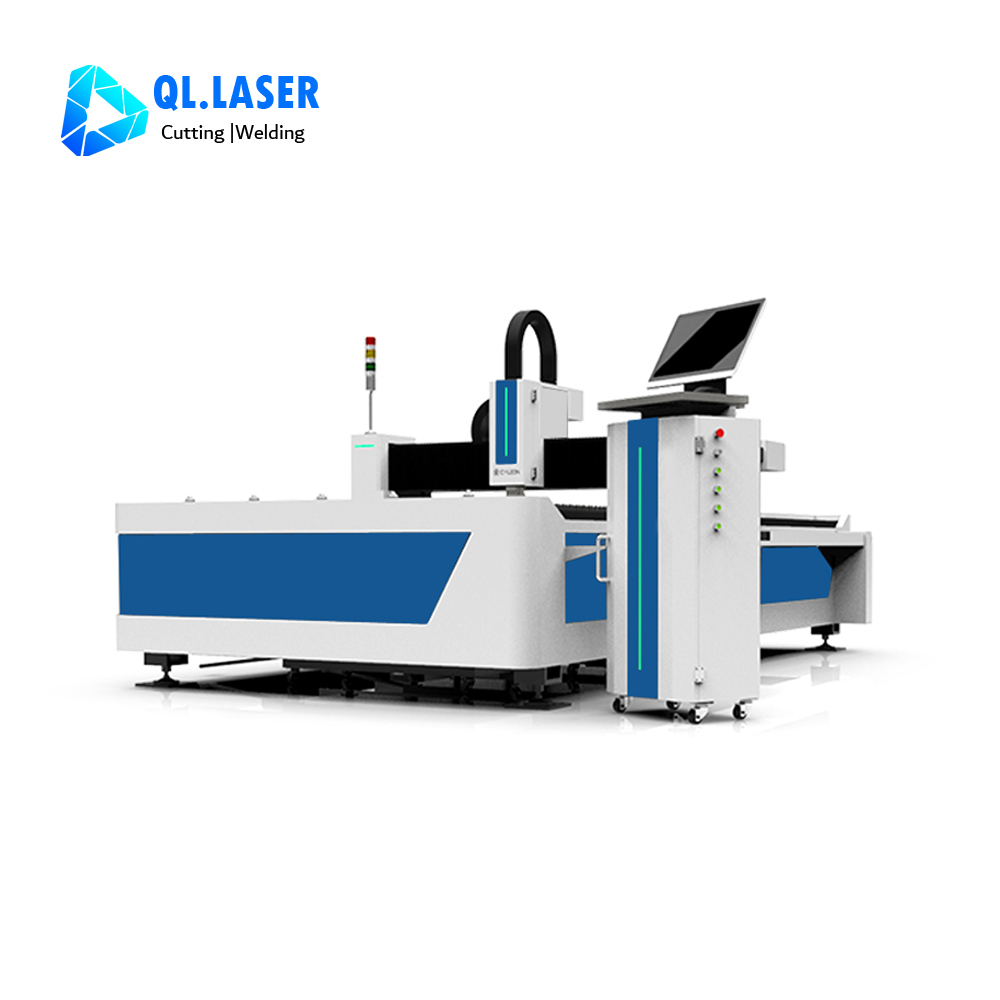
Power determines your absolute cutting speed and final edge quality. You must strictly match the laser wattage to your most common materials. Over-powering wastes money, while under-powering creates severe production bottlenecks.
A 1500W fiber laser cutter serves as an excellent operational baseline. It runs highly efficiently for thin-gauge materials up to 4-6mm. The beam pierces quickly and travels fast across thin sheets. However, it will severely struggle with edge quality and travel speed on thicker plates. Heat dispersion becomes a major issue when pushing low-wattage lasers too hard.
Cutting thicker materials entirely changes the engineering equation. When evaluating a carbon steel laser cutting machine, you must factor in oxygen. Oxygen acts as an assist gas to create an intense exothermic reaction. This chemical reaction helps burn through thick mild steel plates. Power scales directly with plate thickness. You will typically need 3kW to 6kW for medium to thick carbon steel production.
Processing reflective metals presents unique physical challenges. When evaluating a stainless steel laser cutting machine, high-pressure nitrogen becomes essential. Nitrogen prevents edge oxidation and maintains a perfectly clean, weld-ready finish. Highly reflective materials like aluminum and brass require specific laser wavelengths. They also demand much higher power densities to cleanly pierce the metal and prevent dangerous back-reflection damage.
Table: General Laser Power Recommendations by Core Material
| Material Type | Primary Assist Gas | Thickness Range (Optimal) | Recommended Power Range |
| Thin Carbon Steel | Air / Oxygen | 1mm - 5mm | 1000W - 2000W |
| Thick Carbon Steel | Oxygen | 6mm - 16mm | 3000W - 6000W |
| Stainless Steel | Nitrogen | 1mm - 6mm | 1500W - 3000W |
| Aluminum Alloys | Nitrogen / Air | 1mm - 8mm | 3000W - 6000W |
Evaluating Core Machine Components (The "Guts" of the System)
The external sheet metal housing often looks impressive. However, internal components matter most. Core parts directly determine your daily uptime, part precision, and maintenance intervals.
The Laser Source: This acts as the beating engine of your machine. Tier-1 sources like IPG command a premium price tag. They offer proven diode lifespans and exceptional beam stability over long periods. Budget-friendly alternatives like Raycus or MAX provide great value for standard applications. Always compare specific warranty terms and diode replacement costs when choosing a laser source.
The Laser Cutting Head: Variable material thicknesses demand agile focus adjustments. Auto-focus cutting heads from brands like Precitec or Raytools remain absolute industry standards. They quickly adapt to changing material surfaces using sensitive capacitive height sensors. You must ensure the head features a highly sealed, dust-proof design. This specific design heavily protects expensive internal collimating optics from ambient shop dust.
The Machine Bed (Frame): The heavy frame anchors the entire operation. Cast-iron beds offer superior vibration dampening. They also experience far less thermal deformation during continuous shifts. Welded steel plate beds cost less but may warp slightly under extreme heat. A rigid, heat-treated heavy frame is absolutely non-negotiable. It actively maintains cutting precision during aggressive high-speed travel movements.
Software, Controls, and Usability
Software transforms raw optical power into usable manufactured parts. You deeply need an intuitive user interface to maximize daily throughput. Poor software creates constant operator frustration and ruins material yields.
Evaluate the digital controller powering your CNC fiber laser cutter. Industry-standard control systems like CypCut or Beckhoff deliver rapid processing speeds. They seamlessly handle complex vector geometries without stuttering. These systems also include vital crash-prevention features. Capacitive sensing actively protects your expensive cutting head from colliding with tipped-up metal parts.
Efficient nesting software directly reduces your raw material scrap rates. Advanced software meticulously analyzes your CAD files. It tightly packs disparate parts together on a single digital sheet. Look closely for advanced features like common-line cutting. This unique feature allows two adjacent parts to share a single cut path. You should also utilize fly-cutting for perforated sheets. Both digital features drastically optimize your overall machine cycle times.
Consider the practical operator learning curve. A highly complex proprietary system creates unnecessary business risks. If your lead operator leaves the company suddenly, training a replacement becomes a sheer nightmare. Standardized software ensures you can quickly train new operators. It drastically reduces the risk of a single point of failure within your fabrication shop.
Calculating Operational Expenses & Implementation Risks
The initial sticker price only represents a small fraction of your financial commitment. You must accurately project your ongoing operational expenses. Failing to calculate these monthly costs often bankrupts unprepared job shops.
Consumables and assist gases drain budgets extremely quickly. You will constantly replace copper cutting nozzles and small protective lenses. Bulk nitrogen and oxygen consumption heavily dictates your daily operating expenses. High-pressure nitrogen cutting uses massive volumes of gas. Sometimes, the monthly gas bill outpaces the financing payment of the machine itself. Consider investing in a localized nitrogen generator to mitigate these steep costs.
Power consumption adds another heavy utility line item. You must precisely calculate the combined electrical draw of the entire system. This calculation includes the primary laser source, the industrial water chiller unit, and the heavy-duty dust extraction system. Running all three components simultaneously requires serious electrical amperage.
Hidden maintenance costs often plague cheap imported machines. If a critical component fails mid-shift, you lose money every single hour. What is the guaranteed response time for a local service technician? You must thoroughly verify if the vendor actually stocks replacement parts domestically. Waiting three weeks for international shipping completely destroys your promised production schedule.
Shortlisting Vendors and Next Steps
Never buy a heavy industrial machine based purely on a glossy brochure. You must forcefully compel vendors to prove their marketing claims. Treat the procurement process as a strict engineering audit.
Demand a rigorous sample cut test. Require vendors to cut your specific parts on the exact machine model you plan to buy. Always provide your own CAD files and raw material samples. Demand a highly detailed time study from the vendor. This study verifies true cycle times and proves the machine handles your specific tolerances. Inspect the final cut edge for rough dross and burrs.
Verify compliance and physical safety features. Ensure the metal sheet cutting machine strictly meets local safety standards. Look exclusively for CE or FDA safety certifications. You should strongly prioritize fully enclosed machine designs featuring certified laser-safe viewing glass. Open-bed machines pose serious eye safety risks in busy factory environments.
Carefully review Service Level Agreements (SLAs). Scrutinize all fine-print warranty exclusions. Pay special attention to the fragile fiber delivery cable and sensitive internal optics. Demand absolute clarity on technician travel fees, installation charges, and operator training costs. Get every single verbal promise securely written into the final purchasing contract.
Conclusion
Base your final purchasing decision entirely on hard evidence, verified test cuts, and localized support. A suspiciously low raw sticker price often hides long-term operational nightmares. You must fiercely prioritize reliable core components over superficial external features. Match the machine's laser power strictly to your 80% daily production average, ignoring the rare outliers.
Take immediate action before contacting aggressive sales reps. Audit your current shop scrap rates meticulously. Accurately define your top three material thicknesses and types. Once you organize this hard data, request highly detailed time studies from your short list of vendors. This proactive, data-driven approach firmly guarantees a profitable, long-lasting machine investment.
FAQ
Q: How thick can a 1500W fiber laser cutter cut?
A: A 1500W machine realistically severs up to 14mm carbon steel and 6mm stainless steel. However, optimal production speeds occur at exactly half those maximum thicknesses. Pushing the machine to its absolute limit causes severe edge burring and dramatically slows down your overall cycle times.
Q: What is the difference between a CO2 laser and a fiber laser for sheet metal?
A: Fiber lasers offer up to three times higher energy efficiency than traditional CO2 lasers. They require absolutely no complex internal mirror alignments. Fiber technology cuts thin sheet metals significantly faster, ultimately rendering CO2 machines entirely obsolete for standard sheet metal fabrication.
Q: What are the main ongoing operational costs?
A: Your primary ongoing costs include industrial electricity and bulk assist gases like nitrogen or oxygen. You must also strictly budget for regular optical consumables. These specific consumables include protective glass windows, copper cutting nozzles, and ceramic rings located inside the cutting head.
Q: Do I need a pallet changer (exchange table)?
A: Treat this entirely as a throughput question. If the machine cuts a full sheet faster than your operator can safely load and unload the next one, an exchange table becomes completely mandatory. Pallet changers effectively prevent your expensive machine from idling during manual material handling.