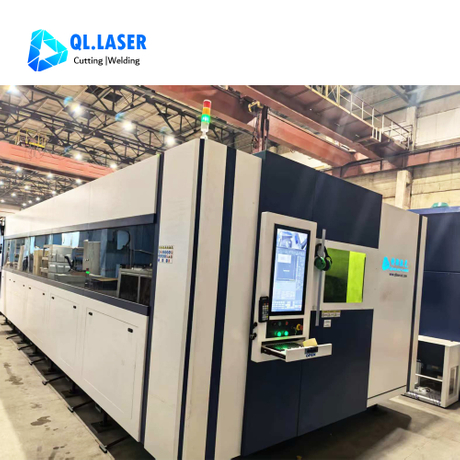
Upgrading fabrication capabilities or replacing legacy CO2 systems requires serious capital. However, the operational efficiency of modern lasers is radically transforming sheet metal processing. Buyers often over-spec their machines, wasting valuable budget on unnecessary power. Conversely, under-specifying creates crippling production bottlenecks. The real challenge lies in aligning machine specifications with actual shop floor realities. You need equipment tailored strictly to your daily material mix.
This guide explains the technical mechanisms behind a fiber laser cutting machine. It also provides a pragmatic, vendor-neutral framework to evaluate your next equipment purchase. You will learn how the technology generates precise cuts. We will explore how to assess your specific business needs. Finally, you will discover exactly which features dictate long-term production success.
Key Takeaways
Fiber lasers generate beams via active optical fibers, offering up to 3x the energy efficiency of traditional CO2 lasers, particularly on thin-to-medium sheet metals.
Choosing the right wattage (kW) should be dictated by your most frequently processed material thickness and desired cycle times, not just maximum capacity.
Total Cost of Ownership (TCO) extends beyond the sticker price; assist gas consumption (Nitrogen vs. Oxygen), facility power upgrades, and localized service availability are critical evaluation criteria.
Validating a manufacturer requires demanding custom test cuts on your specific CAD files, not relying on generic demo pieces.
The Mechanics: How A Fiber Laser Cutting Machine Actually Works
The Power Source (Seed Laser & Amplification)
Fiber lasers do not rely on fragile glass tubes. They generate light using semiconductor laser diodes. This initial light enters a rare-earth doped optical fiber. Manufacturers typically use Erbium or Ytterbium for this doping process. The fiber amplifies the light as it travels. This solid-state design eliminates moving mirrors entirely. As a result, you face zero delicate alignment issues.
Beam Delivery
The amplified light needs a path to the workpiece. It travels through a highly flexible fiber optic cable. This cable runs directly from the power source to the cutting head. This direct delivery minimizes power loss. It completely removes the need for complex internal optics. The enclosed path also prevents dust from degrading the beam quality.
The Cutting Head & Optics
The cutting head serves as the final manipulation point. It houses collimating lenses to straighten the beam. Focusing lenses then concentrate this light into a microscopic dot. This intense focus melts the metal instantly. Modern systems utilize auto-focus cutting heads. These heads automatically adjust their focal length. This adaptation is crucial when processing varying material thicknesses throughout a shift.
Assist Gases (The Unsung Hero)
The laser beam only melts the metal. Coaxial assist gas actually clears the kerf. Operators rely heavily on two primary gases.
Oxygen (O2): Oxygen creates a highly exothermic reaction. This extra heat helps process thicker mild steel efficiently.
Nitrogen (N2): Nitrogen simply blows away molten material. It prevents edge oxidation entirely. This leaves a clean, weld-ready edge on stainless steel and aluminum.
Framing Your Business Need: Is a Fiber Laser the Right Investment?
Success Criteria
Before purchasing, define what makes the investment viable. You must establish clear success metrics. A primary goal is often reducing the cost-per-part. Many shops buy lasers to eliminate secondary grinding and deburring operations. Others want to bring outsourced cutting in-house. Clarifying these goals dictates your necessary machine specifications.
Fiber vs. CO2 Reality Check
Fiber excels in cutting speed for materials under 1/2 inch (12mm). It safely processes highly reflective metals like copper, brass, and aluminum. Legacy CO2 systems struggle here due to beam reflection. However, CO2 remains the industry standard for extremely thick non-metals. If you process thick wood or heavy acrylic, CO2 performs better.
Technology Comparison Chart
| Feature | Fiber Laser | CO2 Laser |
| Thin Metal Speed | Extremely Fast | Moderate |
| Reflective Metals | Excellent (Copper, Brass) | Poor (Risk of reflection) |
| Thick Non-Metals | Not Recommended | Industry Standard |
| Maintenance Needs | Very Low | High (Mirrors, lenses, gas) |
Production Volume Demands
High cutting speeds create new operational challenges. You must assess your downstream capacity. Can your press brakes keep up? Do your welders have the bandwidth to process the incoming parts? A fast laser easily overwhelms a slow bending department. Ensure your entire shop workflow supports this high throughput.
Key Evaluation Dimensions: How to Choose the Right Machine Specifications
Laser Power (Wattage) vs. ROI
More power does not always mean higher profits. You must match the wattage to your actual work.
1kW - 3kW: Ideal for thin sheet metal operations. This fits HVAC fabrication and light enclosure manufacturing perfectly.
4kW - 8kW: The versatile middle-ground. General fabrication shops use this for mid-thickness mild and stainless steels.
10kW+ (High Power): Necessary for extreme speeds on medium thicknesses. It also pierces heavy plate up to 30mm+.
Never buy a 12kW system if 80% of your jobs involve thin gauge materials. The extra capital expense offers zero return on investment.
Laser Source Brand & Reliability
The laser source dictates machine lifespan. Compare industry standards closely. Premium established sources, like IPG Photonics, offer exceptional beam stability. They carry robust warranties and proven longevity. Budget-friendly alternatives, such as Raycus or MAX, reduce the initial purchase price. However, you must weigh this against potential replacement costs and service availability.
Bed Size & Automation
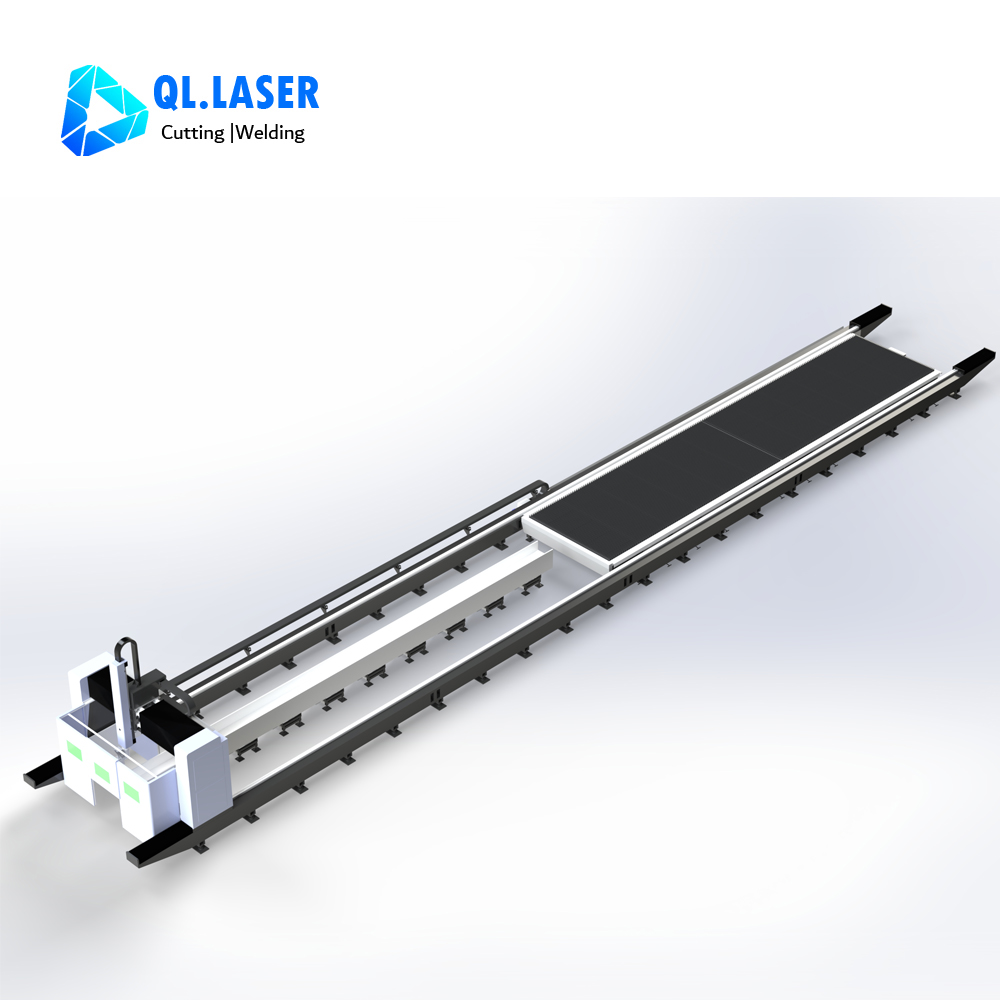
Match the working envelope to your standard raw material sheet sizes. A 5x10 ft or 6x12 ft bed minimizes scrap. Consider material handling automation for your fiber laser cutting machine. Shuttle tables (pallet changers) allow simultaneous loading and cutting. Automated load/unload systems prevent the machine from idling. Operators should not manually handle heavy sheets while the machine waits.
Software & Nesting Compatibility
Hardware needs smart instructions. Ensure the machine's CNC controller integrates smoothly with your current setup. The nesting software must communicate with existing CAD/ERP systems. Seamless integration optimizes material yield. It also streamlines operator workflow, reducing programming errors on the floor.
Hidden Implementation Realities and Operating Costs
Facility Infrastructure Requirements
Buyers often overlook the costs of installation. Fiber lasers demand serious facility infrastructure. They require stable, high-amperage 3-phase power. Voltage fluctuations will damage the sensitive laser source. You also need strict environmental controls. Dust and temperature fluctuations degrade sensitive optics. Industrial water chillers are absolutely mandatory to maintain operational stability.
Assist Gas Infrastructure
Assist gas represents a massive continuous operational cost. You must supply constant Nitrogen or Oxygen. Evaluate your delivery methods carefully. Liquid cylinder deliveries work for low volumes. However, an on-site Nitrogen generation system often makes better financial sense for high-production shops. It eliminates delivery dependencies and bulk rental fees.
Dust Collection and Exhaust
Vaporizing metal creates hazardous fumes. Proper extraction is a legal and ethical requirement. High-capacity downdraft extraction systems are non-negotiable. They ensure environmental compliance. They also protect operator safety by pulling toxic particulates away from the breathing zone.
Shortlisting Logic: Vendor Evaluation and Next Steps
Service Level Agreements (SLAs) and Local Support
The most expensive machine is a broken machine waiting for a technician. Do not prioritize a cheap purchase price over support. Prioritize vendors with domestic parts inventories. Demand guaranteed response times in writing. Localized service availability dictates your production uptime.
The Custom Demo Protocol
Never base your purchase on a generic vendor demo. Generic demos use optimized files and perfect materials. Instead, force the vendor to prove their capabilities on your actual parts.
Select a complex CAD file from a recent, difficult production run.
Send this exact file to the shortlisted vendors.
Require them to cut it on the specific machine model you plan to buy.
Demand raw data on cycle time, gas usage, and final edge quality.
Training & Operator Adoption
A new laser requires skilled operators. Ensure the purchase contract includes comprehensive on-site training. A simple manual is not enough. Your operators and maintenance staff need hands-on instruction. Proper training prevents expensive crashes during the first month of operation.
Conclusion
Selecting equipment is about aligning machine specs with your exact material mix.
Do not simply buy maximum power; match the wattage to your daily production realities.
Always validate capabilities using custom part tests from your own CAD files.
Prioritize robust aftermarket support and parts availability over a lower initial sticker price.
Audit your current cutting expenses today. Contact a fabrication specialist to run a time-study on your most common parts. This data will clearly show which machine specifications will drive your shop forward.
FAQ
Q: What is the maximum thickness a fiber laser can cut?
A: Maximum thickness depends heavily on the wattage and the specific material. A 6kW source can cleanly cut approximately 20mm mild steel. However, edge quality naturally degrades as you approach the machine's maximum limit. High-power systems (15kW+) can process plates exceeding 30mm.
Q: Are fiber lasers expensive to maintain?
A: The solid-state laser source itself requires minimal maintenance. It has no mirrors to align. However, you must budget for ongoing operational consumables. Protective lenses, copper nozzles, and bulk assist gases represent constant, required expenses to keep the machine running optimally.
Q: Can a fiber laser cut reflective metals like copper and brass?
A: Yes. Unlike older CO2 lasers, the specific wavelength of a fiber beam (around 1.06 micrometers) is absorbed effectively by highly reflective metals. It processes copper, brass, and aluminum safely without reflecting beam energy back into the delicate source.
Q: How long does a fiber laser source last?
A: Industry benchmarks typically cite around 100,000 hours of diode life for a high-quality solid-state source. While the source lasts for years of continuous operation, consumables like optics, lenses, and cutting head components require much more frequent replacement.