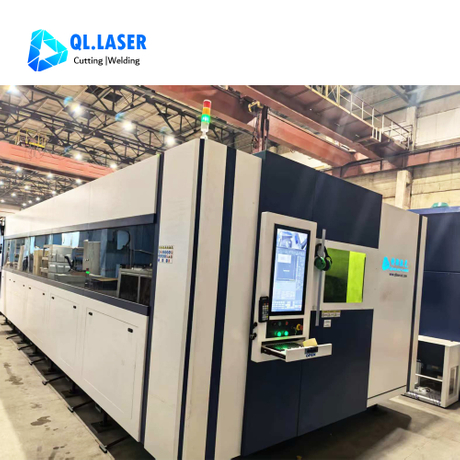
The advent of laser cutting technology has revolutionized the metal fabrication industry. With the ability to cut through various materials such as mild steel, stainless steel, and aluminum, laser cutting machines offer precision, efficiency, and versatility. This article explores the intricacies of using a Laser Cutting Machine to cut different metals, examining the technology behind it, the types of machines available, and the factors influencing the cutting process.
Understanding Laser Cutting Technology
Laser cutting technology utilizes a high-powered laser beam to melt, burn, or vaporize material, resulting in precise cuts. The process involves directing the laser beam through optics and CNC (Computer Numerical Control) to follow a specified pattern. The precision of a metal laser cutting machine makes it ideal for complex shapes and intricate designs.
Types of Laser Cutting Machines
There are several types of laser cutting machines, each suited for different applications. CO2 lasers are commonly used for cutting non-metal materials, while fiber lasers are preferred for metals due to their efficiency and speed. A fiber laser cutting machine is particularly effective for cutting reflective materials like aluminum and copper.
Key Components of a Laser Cutting Machine
A laser cutting machine consists of several key components, including the laser resonator, beam delivery system, cutting head, and CNC controller. The resonator generates the laser beam, while the beam delivery system directs it to the cutting head. The CNC controller ensures precise movement and positioning of the cutting head.
Cutting Mild Steel with Laser Technology
Mild steel is a popular material in the manufacturing industry due to its versatility and affordability. Laser cutting mild steel involves using a focused laser beam to melt the material, assisted by a high-pressure gas to remove molten metal. The result is a clean and precise cut with minimal thermal distortion.
Factors Affecting Mild Steel Cutting
Several factors influence the quality of laser-cut mild steel, including laser power, cutting speed, and gas pressure. Higher laser power allows for faster cutting speeds and thicker material processing.
Applications of Laser-Cut Mild Steel
Laser-cut mild steel is used in various applications, from automotive components to construction materials. Its precision and clean edges make it ideal for parts that require high accuracy and minimal post-processing.
Cutting Stainless Steel with Laser Technology
Stainless steel is known for its corrosion resistance and strength, making it a preferred material in industries such as aerospace and medical devices. Laser cutting stainless steel requires careful control of the laser parameters to achieve a high-quality cut without compromising the material's properties.
Challenges in Cutting Stainless Steel
The main challenge in laser cutting stainless steel is managing the heat input to prevent oxidation and maintain the material's aesthetic finish. Using nitrogen as an assist gas helps minimize oxidation and achieve a clean cut.
Benefits of Laser-Cut Stainless Steel
Laser-cut stainless steel offers several benefits, including high precision, reduced material waste, and the ability to cut complex shapes. These advantages make it suitable for applications where precision and quality are paramount.
Cutting Aluminum with Laser Technology
Aluminum is a lightweight and highly reflective material, posing unique challenges for laser cutting. Fiber lasers are particularly effective for cutting aluminum due to their shorter wavelength, which is better absorbed by the material.
Techniques for Cutting Aluminum
Cutting aluminum with a laser requires careful control of the laser parameters to prevent reflection and ensure a smooth cut. Using a high-pressure assist gas, such as nitrogen or air, helps remove molten material and achieve a clean edge.
Applications of Laser-Cut Aluminum
Laser-cut aluminum is used in various industries, including aerospace, automotive, and electronics. Its lightweight and corrosion-resistant properties make it ideal for components that require strength without added weight.
Choosing the Right Laser Cutting Machine
Selecting the appropriate laser cutting machine depends on several factors, including the type of material, thickness, and production volume. A Laser Cutting Machine manufacturer can provide guidance on the best machine for specific applications, ensuring optimal performance and efficiency.
Considerations for Machine Selection
When choosing a laser cutting machine, consider factors such as laser power, cutting speed, and the type of laser source. Additionally, evaluate the machine's compatibility with existing production systems and its ability to handle future expansion needs.
Benefits of a CNC Laser Cutting Machine
A CNC laser cutting machine offers enhanced precision and automation, reducing the need for manual intervention and increasing production efficiency. Its ability to produce consistent and accurate cuts makes it a valuable asset in any manufacturing environment.
Conclusion
Laser cutting technology has transformed the way industries approach metal fabrication. By understanding the capabilities and limitations of different Sheet Metal Laser Cutting Machine and Tube Metal Laser Cutting Machine options, manufacturers can optimize their processes, reduce waste, and improve product quality. As technology continues to advance, the potential applications for laser cutting machines will only expand, offering new opportunities for innovation and efficiency in metal fabrication.