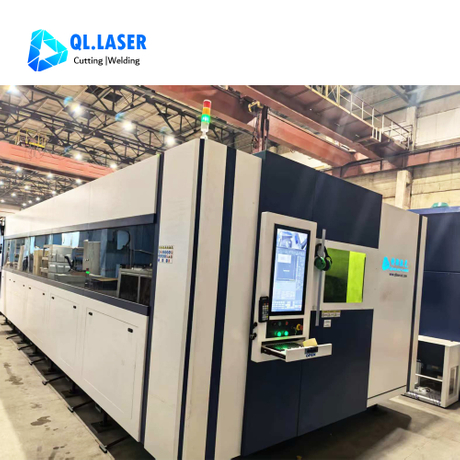
In the realm of industrial manufacturing, the precision and efficiency offered by laser cutting technology have revolutionized the way metal plates are processed. A CNC laser cutting machine is a pivotal tool that combines computer numerical control with laser cutting to deliver unparalleled accuracy and speed. This article delves into the step-by-step process of laser cutting metal plates, exploring the technology's intricacies, applications, and the benefits it brings to various industries.
Understanding Laser Cutting Technology
Laser cutting is a thermal cutting process that uses a focused laser beam to melt, burn, or vaporize material, resulting in a precise cut. The technology is known for its ability to cut complex shapes and intricate designs with minimal waste. The laser cutting process involves three main components: the laser beam, the cutting head, and the CNC system. The fiber laser cutting machine is particularly popular due to its high efficiency and low maintenance requirements.
Types of Laser Cutting Machines
There are several types of laser cutting machines, each suited for different applications. The most common types include CO2 lasers, fiber lasers, and Nd:YAG lasers. CO2 lasers are ideal for cutting non-metal materials, while fiber lasers are preferred for metal cutting due to their higher power and efficiency. Nd:YAG lasers are used for applications requiring high peak power and precision. The choice of machine depends on the material, thickness, and desired cutting speed.
Step-by-Step Guide to Laser Cutting Metal Plates
The process of laser cutting metal plates involves several critical steps to ensure precision and quality. Below is a detailed guide to the laser cutting process:
1. Material Selection and Preparation
The first step in laser cutting is selecting the appropriate material. Common materials include stainless steel, carbon steel, aluminum, and copper. Each material has unique properties that affect the cutting process. Once the material is selected, it must be prepared by cleaning and removing any surface contaminants to ensure a smooth cut.
2. Setting Up the Laser Cutting Machine
The next step involves setting up the laser cutting machine. This includes configuring the CNC system with the desired cutting parameters, such as speed, power, and focus. The cutting head must be aligned correctly to ensure precision. The machine's software plays a crucial role in controlling the cutting process and optimizing the cutting path.
3. Executing the Cut
Once the machine is set up, the cutting process can begin. The laser beam is directed onto the material, and the CNC system guides the cutting head along the programmed path. The laser's high energy density allows it to cut through the material with minimal heat-affected zones, ensuring clean edges and precise cuts.
Applications of Laser Cutting in Industry
Laser cutting technology is widely used across various industries due to its versatility and precision. In the automotive industry, laser cutting is used to produce complex components with high accuracy. The aerospace industry benefits from laser cutting's ability to cut lightweight materials with precision, essential for aircraft manufacturing. In the electronics industry, laser cutting is used to create intricate circuit patterns on printed circuit boards. The application of laser cutting machines extends to the medical field, where it is used to manufacture surgical instruments and medical devices with high precision.
Advantages of Using Laser Cutting Machines
Laser cutting machines offer numerous advantages over traditional cutting methods. One of the primary benefits is the high level of precision and accuracy, which allows for the production of complex shapes and designs. Laser cutting also offers a clean cutting process with minimal waste, reducing material costs. The speed and efficiency of laser cutting machines make them ideal for high-volume production, increasing productivity and reducing lead times. Additionally, laser cutting is a non-contact process, minimizing the risk of material deformation and ensuring high-quality cuts.
Choosing the Right Laser Cutting Machine
Selecting the right laser cutting machine is crucial for achieving optimal results. Factors to consider include the type of material, thickness, and desired cutting speed. It is essential to choose a machine that offers the appropriate power and features for the specific application. A high-power laser cutting machine is recommended for cutting thick materials, while a fiber laser cutting machine is ideal for cutting metals. Consulting with a reputable laser cutting machine manufacturer can provide valuable insights and help in making an informed decision.
Conclusion
Laser cutting technology has transformed the manufacturing landscape, offering unparalleled precision, efficiency, and versatility. By understanding the step-by-step process of laser cutting metal plates, industries can leverage this technology to enhance their production capabilities and achieve superior results. As technology continues to evolve, the future of laser cutting looks promising, with advancements in machine capabilities and applications. For businesses looking to invest in laser cutting technology, exploring options with a trusted laser cutting machine manufacturer is a strategic move towards achieving operational excellence.