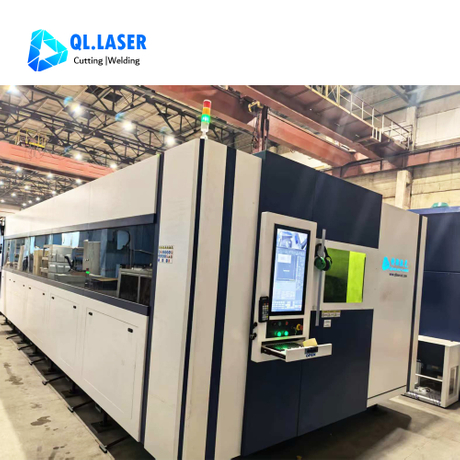
Metal fabrication changes rapidly today. Fabricators face mounting pressure to produce faster and more precisely. The basic question of "will it cut?" no longer suffices in competitive markets. You need to know if a machine will process parts profitably at required volumes and tight tolerances. Legacy CO2 lasers struggle here. Solid-state fiber lasers operate at a 1.064-micrometer wavelength. This specific wavelength allows significantly higher absorption rates in metallic materials. Production managers must align material mix, thicknesses, and throughput goals before buying equipment. We will explore the specific capabilities and physical limitations of fiber optic technology. You will learn how to match laser power to your daily operational needs.
Key Takeaways
Fiber lasers offer optimal processing speeds and edge quality for carbon steel, stainless steel, and aluminum.
Modern fiber technology safely processes highly reflective metals (copper, brass) that traditionally damaged CO2 lasers, provided the system features back-reflection protection.
Required laser power (kW) scales non-linearly with material thickness; over-specifying or under-specifying machine power is the most common ROI pitfall.
Non-metals (plastics, wood, PVC) are generally incompatible with fiber lasers due to wavelength transmission and hazardous off-gassing.
The Core Metals: High-Yield Materials for Fiber Lasers
Modern metal fabrication relies on three primary materials. These metals deliver predictable results and excellent edge quality. You can process them at high speeds. This reliability makes them the foundation of most manufacturing operations.
Carbon Steel (Mild Steel)
Industry experts consider carbon steel the benchmark material. It provides excellent feed rates and consistent behavior. Evaluating machine performance often starts here. A successful fiber laser cut on mild steel sets the standard for everything else.
Operational reality dictates different approaches based on thickness. You need oxygen assist gas for thicker plates. Oxygen creates an exothermic reaction. This chemical reaction adds extra heat. It helps the beam pierce dense material. Conversely, you should use nitrogen for thinner gauges. Nitrogen pushes molten metal away cleanly. It leaves a smooth, paint-ready edge. You avoid secondary finishing steps.
Stainless Steel (304, 316, etc.)
Stainless steel represents a highly compatible material. It requires strict processing controls. The evaluation standard ranks it near the top for overall cut quality. Medical, food service, and aerospace industries demand precise stainless parts.
You must address specific operational realities. Stainless steel demands high-pressure nitrogen assist gas. Nitrogen prevents oxidation on the cut edge. Oxidation causes a blue tint. Fabricators call this bluing. High kW systems significantly reduce dross formation. Dross easily clings to plates over 1/4 inch thick. Upgrading power output solves this issue.
Aluminum Alloys (e.g., 5052, 6061)
Aluminum cuts substantially faster today. The 1.064-micrometer wavelength absorbs easily into aluminum. Older CO2 systems struggled heavily. Now, fiber technology dominates aluminum processing.
You face unique operational realities here. Aluminum remains slightly reflective. It also features high thermal conductivity. Heat dissipates rapidly away from the cut zone. You require careful focal point calibration. You need higher power densities. This approach maintains a clean kerf width. It prevents the material from warping.
Core Metal Processing Characteristics
| Material | Evaluation Standard | Primary Assist Gas | Operational Reality |
| Carbon Steel | The benchmark material | Oxygen (Thick) / Nitrogen (Thin) | Needs oxygen for exothermic boost on thick plates. |
| Stainless Steel | Highly compatible | High-Pressure Nitrogen | Demands high pressure to prevent edge oxidation. |
| Aluminum Alloys | Substantially faster speeds | Nitrogen | Requires exact focal calibration due to thermal conductivity. |
Cutting Highly Reflective Metals: Copper, Brass, and Bronze
Fabricators avoided highly reflective metals for years. The risks simply outweighed the rewards. Technology has caught up. You can now process these lucrative materials safely.
The Technical Challenge (Back-Reflection)
Historically, cutting reflective metals presented massive risks. The laser beam acts like light hitting a mirror. It bounces off the copper or brass. It travels back through the optics. This rogue beam can easily destroy the oscillator. Replacing an oscillator costs tens of thousands of dollars. Early adopters learned this hard lesson.
The Fiber Laser Solution
Equipment manufacturers solved this problem directly. Modern machines utilize built-in optical isolators. They feature specialized beam delivery systems. These components safely absorb back-reflections. They deflect harmful energy away from critical internal parts. You can now run highly reflective sheets continuously. You do not need to worry about sudden catastrophic failures.
Copper vs. Brass Nuances
Copper and brass look similar. They behave differently under an intense light beam. You must adjust your parameters accordingly.
Copper: It is extremely thermally conductive. Heat spreads instantly. You require high peak power. You must pierce effectively before heat dissipates. Slow piercing causes massive material distortion.
Brass: Brass contains zinc. Zinc features a much lower boiling point than copper. It vaporizes quickly. Edges can exhibit micro-porosity. You will see tiny holes along the cut. You must perfectly tune feed rates and gas pressures to avoid this defect.
Material Limitations: What Can’t (or Shouldn’t) a Fiber Laser Cut?
Even advanced tools have strict limits. Pushing a machine past its intended use causes severe damage. You must understand what to keep off your cutting bed. Ignorance leads to broken optics and safety hazards.
Non-Metals (Wood, Acrylic, Glass, Stone)
You cannot process most non-metals. The 1.06µm wavelength acts uniquely. It passes right through transparent materials like glass. It does not transfer energy. It simply chars organic materials like wood. You get a burnt mess instead of a clean edge. You should use a CO2 laser or a waterjet for these applications.
Hazardous Materials (PVC & Polycarbonates)
Cutting certain plastics introduces severe safety and compliance risks. PVC stands out as the worst offender. You should never attempt to process it.
Toxic Emissions: Cutting PVC releases chlorine gas. This gas is highly toxic. It poses severe respiratory dangers to your operators.
Corrosive Damage: Chlorine gas mixes with ambient moisture. It creates hydrochloric acid fumes. These fumes rapidly degrade machine pneumatics. They ruin expensive focusing lenses.
Regulatory Violations: Emitting these toxins violates occupational safety standards. Health agencies can issue massive fines for improper ventilation.
Extreme Thicknesses Beyond System Spec
Every machine has a rated capacity. Attempting to process metals thicker than this capacity guarantees failure. The beam cannot clear the molten material. You experience thermal runaway. The metal melts unpredictably. You generate excessive dross. You also cause severe metallurgical changes. The heat-affected zone (HAZ) expands drastically. This compromises the structural integrity of the final part.
Matching Material Thickness to Laser Power (kW)
Power defines capability. Choosing the right wattage determines your overall success. You must evaluate your primary workload carefully.
The Cost-to-Capability Ratio
Capital expenditure jumps significantly as laser power increases. A 12kW system costs vastly more than a 4kW system. Buyers must map their primary material thickness accurately. Do not guess. Look at your past production data. Align the right kW with your most common jobs.
Baseline Sizing Framework (General Industry Averages)
Industry standards provide a reliable starting point. You can use these averages to narrow down your options.
Baseline Sizing Chart by Laser Power
| Power Range | Optimal Application | Maximum Reliable Thickness (Mild Steel) | Operational Profile |
| 1kW – 3kW | Thin sheet metal | Up to 1/4 inch | High-speed piercing. Lower operating cost. |
| 4kW – 8kW | Versatile mid-range | 1/2 to 3/4 inch | Handles medium plate consistently. Good all-rounder. |
| 10kW – 30kW+ | Heavy plate fabrication | 1 to 2+ inches | Competes directly with plasma. Tighter tolerances. |
High-power systems (10kW to 30kW+) transform heavy fabrication. They offer superior edge geometry. They maintain tighter tolerances than plasma cutting. Holes come out perfectly round.
Risk Mitigation
You must avoid the most common purchasing mistake. Do not buy a 2kW machine for occasional 3/4-inch plate cutting. Undersized machines cause massive bottlenecking. The machine struggles to pierce. It ruins parts. It wastes costly assist gas. It destroys consumable nozzles rapidly. Always size the machine for your thickest common job.
Business Impact: Evaluating a Fiber Laser Cutting Machine for Your Shop
Adding new technology transforms your production floor. You must evaluate the direct business impacts objectively. Performance metrics matter more than flashy brochures.
Speed & Cost per Part
Speed directly reduces manufacturing expenses. A modern fiber laser cutting machine operates incredibly fast. It cuts thin-to-medium gauge metals 2x to 5x faster than legacy CO2 lasers. This velocity drastically reduces your per-part operational costs. You consume less electricity per job. You push more jobs out the door daily. Your labor costs drop per unit produced.
Consumables & Maintenance
Solid-state technology simplifies maintenance. The beam travels through a flexible fiber optic cable. You deal with no mirrors. You never have to align delicate optics. You eliminate resonator gases entirely. You find minimal moving parts in the beam path. This simplicity slashes monthly maintenance budgets. Downtime shrinks dramatically. Operators spend time cutting instead of troubleshooting.
Shortlisting Logic (Next Steps)
You need a systematic approach before making a purchase. Follow a strict logic path.
Audit your actual material usage over the last 12 months. Track exact types and thicknesses.
Determine acceptable edge quality. Ask yourself if the part requires secondary grinding. If yes, you might need higher power.
Evaluate your physical floor space. Ensure you have room for chillers and dust collectors.
Actionable Advice: Never purchase based on a spec sheet alone. Paper specifications often represent perfect laboratory conditions. Always request a time-studied sample cut. Provide your specific material grade. Send your exact CAD files. Demand video proof of the run.
Conclusion
A properly specified system represents the most efficient profile-cutting tool available today. It dominates carbon steel, stainless steel, and aluminum. It handles highly reflective alloys safely. You must correctly match the system parameters to your actual application.
Your final decision requires a balanced matrix. Weigh the initial capital cost of higher kW against long-term labor savings. Faster throughput generates more revenue. Eliminating secondary finishing operations frees up your workforce.
Take action based on hard data. Consult directly with an application engineer. Request a custom material time-study. Validate your expected ROI using your own parts. This rigorous approach guarantees a successful technology integration.
FAQ
Q: Can a fiber laser cut Titanium?
A: Yes. Titanium cuts beautifully. It requires argon assist gas instead of nitrogen or oxygen. Argon prevents severe oxidation. It stops the cut edge from becoming dangerously brittle. You must control the thermal input strictly.
Q: Will a fiber laser cut galvanized steel without damaging the coating?
A: Yes, it cuts galvanized steel very well. The beam vaporizes the zinc coating instantly at the kerf. Proper extraction and ventilation remain absolutely critical. Vaporized zinc creates toxic fumes. You must filter these fumes to protect your staff.
Q: How does a fiber laser compare to a plasma cutter for thick steel?
A: Plasma is often more cost-effective for extremely thick plate over 1.5 inches. Plasma wins where precision is less critical. Fiber lasers offer much tighter tolerances. They produce a significantly smaller heat-affected zone (HAZ). They also cut perfectly clean, small-diameter holes.