Introduction
Bridge and traffic engineering infrastructure features high load-bearing requirements, long service life and strict structural safety standards. Different from ordinary building steel structures, highway bridges, railway viaducts, traffic guardrail frames and municipal overpasses require massive high-strength structural steel profiles, including H-beams, I-beams, channel steel and angle steel. These core load-bearing components demand ultra-precise cutting dimensions, uniform welding bevels and zero-deformation processing effects to adapt to long-term vehicle vibration, wind load and temperature alternating stress.
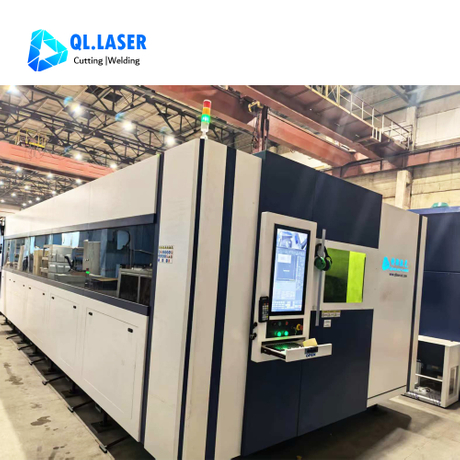
Traditional processing methods such as saw cutting, drilling and manual flame grooving struggle to meet the high-standard manufacturing needs of modern traffic infrastructure. The 3D 5-axis profile laser cutting machine has become essential intelligent equipment for bridge and traffic engineering fabrication, realizing integrated, high-precision and batch processing of all traffic structural steel profiles.
Special Processing Demands of Bridge & Traffic Steel Profiles
Traffic infrastructure steel components bear dynamic loads for a long time, so the stability of structural joints directly determines the overall safety of bridges and viaducts. Traditional segmented processing leads to large cumulative tolerance, uneven bevel gaps and rough cutting sections, resulting in excessive on-site welding correction and hidden structural risks.
In addition, municipal traffic projects feature diverse component specifications, tight construction cycles and high standardization requirements. A large number of connecting node profiles, stiffener profiles and guardrail supporting steel need flexible and efficient batch production. The high-power 12m long-stroke five-axis laser cutting equipment perfectly matches the processing characteristics of traffic engineering, solving the pain points of low precision, slow speed and serious material waste in traditional profile processing.
Core Application Scenarios in Bridge Engineering
1. Bridge Main Girder and Secondary Beam Fabrication
Steel bridge main girders and secondary load-bearing beams are mostly made of thick-walled H-beams and I-beams. The profile laser cutting machine supports one-time forming of fixed-length cutting, bolt hole drilling and ±45° arbitrary bevel cutting. The flat and smooth cutting section requires no secondary polishing, ensuring tight welding fit between beam components and improving the overall structural rigidity and seismic performance of the bridge.
2. Bridge Node and Stiffener Profile Processing
Bridge connection nodes, rib stiffeners and support transition profiles have complex spatial structures and high assembly accuracy requirements. 3D five-axis linkage technology realizes special-shaped notch cutting, intersecting line processing and customized grooving for irregular bridge nodes, eliminating manual lofting errors and ensuring precise docking of on-site bridge steel structures.
3. Prefabricated Bridge Module Batch Production
Modern steel bridges adopt modular prefabricated construction mode. The equipment’s 12m ultra-long processing stroke supports full-length raw profile one-step forming, realizing standardized batch production of bridge prefabricated modules. It greatly shortens the on-site assembly cycle of bridge projects and improves the overall construction efficiency of traffic infrastructure.
Key Applications in Highway & Railway Traffic Engineering
1. Highway Viaduct & Overpass Structural Profiles
Urban viaducts and highway overpasses require a large number of channel steel and angle steel supporting frames and guardrail base profiles. Laser processing features tiny heat-affected zone and zero thermal deformation, effectively avoiding structural stress concentration. It ensures the long-term stability and durability of traffic facilities under frequent vehicle load impact.
2. Railway Bridge & Track Auxiliary Steel Parts
Railway bridges have stricter vibration resistance and fatigue resistance standards. The profile laser cutting machine achieves high-precision hole position and size control for track connection steel, bridge anti-vibration supports and limit profiles. It effectively reduces component wear caused by assembly deviation and meets the long-term safe operation requirements of railway traffic engineering.
3. Municipal Traffic Safety Facility Profiles
Traffic guardrail frames, sign support steel and municipal bridge auxiliary accessories have diverse specifications and small-batch characteristics. The intelligent CNC system supports direct import of Tekla and 3D design drawings, realizing fast switching processing of different profile types. It improves the flexibility of traffic facility production and meets the personalized construction needs of municipal traffic projects.
Unique Advantages for Traffic Infrastructure Manufacturing
High Precision Ensures Traffic Structural Safety
The five-axis profile laser cutter maintains stable micron-level processing tolerance, with consistent bevel angles and accurate hole positions. It avoids structural hidden dangers caused by assembly gaps and welding defects, fully complying with national and international traffic bridge engineering safety standards.
Greatly Shortens Infrastructure Construction Cycle
Integrated cutting, drilling and grooving replaces multiple traditional equipment processes, realizing one-stop forming of traffic steel profiles. The processing efficiency is increased by more than 3 times, effectively solving the problem of tight construction periods for municipal and traffic key projects.
Reduces Project Construction Cost
Intelligent automatic nesting technology maximizes the utilization rate of high-strength bridge steel. Zero secondary processing reduces labor and auxiliary material costs, helping traffic engineering enterprises control project budget and improve economic benefits.
Improves Standardization of Traffic Engineering
Digital intelligent processing realizes unified specifications of batch components, eliminates product differences caused by manual operation, and promotes the standardized and intelligent development of modern bridge and traffic infrastructure construction.
Conclusion
Profile laser cutting machines have become indispensable core equipment in bridge and traffic engineering construction. With 3D five-axis high-precision processing capability and efficient batch production advantages, it solves the precision and efficiency bottlenecks of traditional traffic steel profile processing. It provides reliable high-quality component guarantee for steel bridges, highway viaducts, railway bridges and municipal traffic facilities, and strongly supports the high-quality development of modern traffic infrastructure engineering.