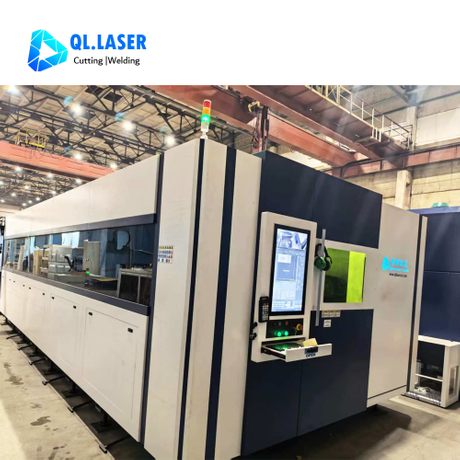
Are material waste and slow loading hurting your factory profits? Picture the typical fabrication floor. You hear the jarring clatter of forklifts constantly shuttling pallets. Operators wrestle with sharp-edged steel sheets. An inevitable pile of unusable skeletal scrap grows in the corner. Traditional sheet processing creates severe production bottlenecks. These inefficiencies eat directly into your operational margins.
In this engineering guide, you will discover how transitioning to a coil-fed laser cutting line solves these exact problems. By combining robust unwinding mechanisms with advanced fiber laser technology, this equipment transforms raw metal coils into precision-cut parts. The result is one seamless, highly profitable workflow.
Key Takeaways
Efficiency Boost: An automated coil processing line eliminates manual sheet loading. This enables true continuous production without the downtime associated with pallet changes.
Maximum Material Yield: Uninterrupted web feeding pairs with intelligent nesting software. Manufacturers routinely reduce scrap rates by 15 to 20 percent compared to standard flatbed cutting.
Tool-Free Flexibility: Laser technology requires no physical dies or tooling changeovers. Engineers can push instant design modifications directly from a CAD file to the cutting floor.
End-to-End Automation: The system integrates uncoiling, straightening, cutting, and scrap handling into a single production line. This drastically reduces labor requirements and forklift traffic.
What is a Coil Fed Laser Cutting Machine?
A coil-fed laser cutting machine is a fully automated manufacturing system. It processes metal directly from a master roll rather than from pre-cut rectangular sheets. In a conventional batch-and-queue setup, raw metal is purchased in coils. It is sent to a toll processor to be flattened and sheared into specific lengths. Finally, it is shipped to the manufacturer. Operators must then load these individual sheets into a standard flatbed laser cutter. This outdated method introduces multiple steps of unnecessary material handling, high transportation costs, and inherent waste.
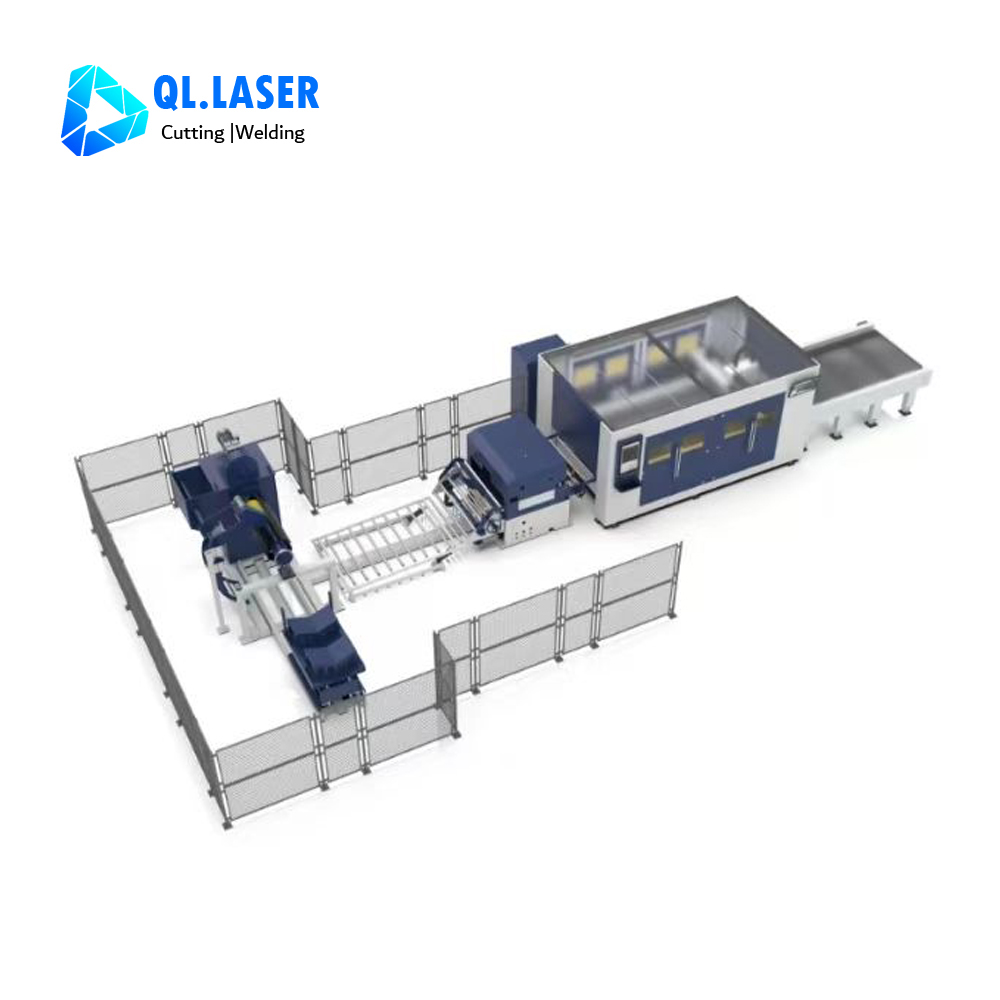
Automated coil equipment disrupts that old model by consolidating the entire workflow. It physically connects an unwinding station, a precision leveling unit, and a high-speed fiber laser into one continuous line. Consequently, this represents a major shift toward modernization. It transforms intermittent facility operations into a continuous flow model. Throughput is maximized while human intervention is minimized.
The Step-by-Step Process: From Metal Coil to Finished Part
Understanding the mechanics of this technology requires following the physical journey of the metal. Watch how it transforms from a heavy, tightly wound cylinder into precision-cut components.
The Automatic Uncoiling System
The process begins at the decoiler. This is a robust mechanical station built to hold master coils weighing anywhere from 5 to 15 tons. A heavy-duty overhead crane or forklift carefully positions the coil onto the expandable mandrel. Once secured, the Automatic Uncoiling System takes over. It actively manages the rotational speed and web tension. Instead of jerky, stop-and-go pulling, sophisticated sensors and loop pits ensure the metal unwinds smoothly. Controlled feeding is absolutely critical for preventing surface scratches. This is especially true when handling sensitive materials like brushed aluminum or pre-painted steel.
Straightening and Leveling the Metal
Metals stored in a rolled state naturally develop coil memory. This is a stubborn tendency to retain a curved shape. If this bowed material were fed directly into a cutting zone, the varying distance between the metal surface and the laser head would cause severe focal inconsistencies. The result would be jagged edges or failed cuts.
To neutralize these internal stresses, the strip passes through a precision leveler. This mechanical unit forces the metal through a series of staggered, heavy-duty rollers. The material undergoes controlled plastic deformation. The alternating bending cycles yield a perfectly flat surface. A flat surface is an absolute prerequisite for maintaining a microscopic laser focal point.
Continuous Sheet Metal Processing and Laser Cutting
Once leveled, the flat strip glides into the enclosed cutting bridge. This is where Continuous Sheet Metal Processing truly shines. A servo-driven feeder precisely advances the material into the cutting bed. The bed may utilize a specialized crawler system or pinch-rollers to support the moving web.
Synchronized by a powerful CNC system, the high-speed fiber laser head dances across the surface. The material is an unbroken web rather than a finite sheet. Therefore, the laser operates continuously. As the intense beam melts the programmed vector paths, high-pressure assist gases forcefully expel the molten slag. A pristine, burr-free edge is left behind.
Automated Scrap Handling and Part Sorting
After the sparks settle, the finished parts must be separated from the skeletal waste. In highly automated environments, the cutting bed acts as a conveyor. Finished components are either pushed down automated drop-chutes into designated sorting bins or gently picked up by robotic arms equipped with vacuum grippers.
Simultaneously, the remaining skeletal scrap is fed out of the cutting zone. The razor-sharp waste could easily become a logistical nightmare. To prevent this, integrated hydraulic scrap choppers shear the web into small, manageable pieces. These pieces fall directly into recycling bins, keeping the production line moving indefinitely.
Coil Fed Laser Cutting Machine vs. Traditional Sheet Laser Cutting
For facility managers debating an equipment upgrade, comparing a continuous web system to a standard flatbed sheet laser is essential. The comparison reveals stark contrasts in operational efficiency and cost-effectiveness.
| Feature | Traditional Flatbed Laser | Coil-Fed Laser Machine |
| Material Loading | Manual or pallet changer required for every sheet. | Continuous web feeding directly from a master coil. |
| Machine Uptime | Averages 60 to 70 percent due to constant sheet swapping. | Exceeds 90 percent due to uninterrupted cutting cycles. |
| Scrap Rate | High waste due to fixed rectangular sheet boundaries. | Infinite length nesting reduces scrap by up to 20 percent. |
| Labor Needs | Requires dedicated forklift drivers and machine operators. | Fully automated line requires minimal human oversight. |
| Storage Footprint | Massive racking space needed for various pre-cut sheet sizes. | Compact storage, as one master coil equals hundreds of sheets. |
Production Speed and Uptime
Traditional flatbed cutting is inherently a stop-and-go process. Even when equipped with automated pallet changers, the machine must pause cutting while the finished sheet is swapped for a new one. This cycle steals 30 to 60 seconds each time. Over a multi-shift operation, these brief pauses accumulate into hours of lost production.
In contrast, a coil-fed system eliminates pallet changing entirely. The continuous feeding mechanism ensures the laser head spends significantly more time actively emitting light. Overall machine uptime is pushed from a standard 70 percent to upwards of 90 percent.
Material Utilization and Waste Reduction
When nesting parts on standard rectangular sheets, programmers are strictly constrained by physical borders. They must leave a perimeter margin for the machine clamps. Awkward part geometries inevitably leave large gaps of unusable scrap.
Web-fed systems remove the constraints of the X-axis boundary. This allows for infinite length nesting. By overlapping parts continuously along the length of the coil, the software packs components much tighter. Empirical factory data shows this boundary-free approach typically reduces raw material waste by 15 to 20 percent.
Storage and Footprint
Storing raw materials efficiently poses a major logistical challenge. A factory utilizing traditional flatbeds must stock dozens of pallets of varying sheet sizes. This consumes vast amounts of warehouse racking space and requires constant, hazardous forklift traffic.
Master coils are incredibly dense. A single 10-ton roll contains the equivalent material of hundreds of individual sheets. It occupies a fraction of the floor space. This drastically reduces your facility overall storage footprint.
Metal Coil Laser Cutting vs. Traditional Coil-Fed Punching
Many high-volume manufacturers still rely on aging mechanical punch presses. While these machines are fast, their decades-old mechanical technology presents severe limitations. They struggle when competing against modern optical systems.
Eliminating Tooling Costs and Maintenance
Mechanical punching requires custom physical steel dies to stamp shapes out of the metal. These tools are expensive to manufacture. They require constant lubrication and degrade with every strike. Maintaining a punching line involves inevitable downtime for tool sharpening and replacement.
By transitioning to Metal Coil Laser Cutting, fabricators completely eliminate these tooling costs. The focused beam of light never dulls, chips, or requires manual sharpening. Ongoing maintenance expenses are drastically lowered.
Unmatched Design Flexibility
In a mechanical punching paradigm, an engineer may need to slightly alter a hole diameter or adjust a corner radius. The factory must then order a new custom punch tool and wait weeks for delivery. This rigidity severely limits a company ability to prototype or adapt to custom orders.
Lasers are entirely software-driven. Design flexibility is absolute. An operator can simply update a CAD file, import it into the machine terminal, and begin cutting the new iteration immediately. This is perfect for modern Just-In-Time manufacturing.
Edge Quality and Complex Geometries
Punching machines frequently leave micro-joints, sharp burrs, and noticeable nibbling marks along the edges of a part. This is especially true on complex curves. These imperfections usually dictate costly secondary deburring operations.
Fiber lasers produce an exceptionally smooth edge. The non-contact nature of the beam means the material is never subjected to mechanical stress. This allows for the processing of incredibly intricate geometries that a physical punch simply cannot replicate.
Industry Trends: The Shift Toward Continuous Automation
Recent market analyses indicate a sharp pivot in sheet metal fabrication. Faced with volatile steel prices and a persistent shortage of skilled machine operators, plant managers are abandoning isolated, labor-intensive workstations. The industry is rapidly adopting fully integrated web-fed laser lines. This shift addresses the critical need for high-mix, low-volume production agility. Furthermore, it eradicates the 30 percent operational downtime typically lost to manual material handling. Facilities that fail to adopt continuous flow models are finding it increasingly difficult to compete on cost-per-part metrics.
Advanced Technologies in Metal Coil Laser Cutting
The engineering behind automated cutting lines is constantly evolving. Modern systems incorporate cutting-edge innovations to push throughput to the absolute physical limits of the material.
Multi-Head Laser Cutting Systems
To further amplify production speeds, premium lines can be equipped with multi-head laser systems. These machines utilize two or more independent fiber laser heads operating simultaneously over the same moving web of metal. Advanced collision-avoidance algorithms allow the heads to share the cutting workload intelligently. Output speed is effectively doubled without increasing the machine footprint.
Smart Nesting and ERP Integration
The software driving these machines is just as critical as the hardware. Modern CAM platforms feature dynamic nesting algorithms that analyze production orders in real-time. Parts are arranged to maximize yield based on the exact width of the loaded coil. Specifically, these suites integrate directly with a factory ERP system. Management can track raw material consumption and part completion rates effortlessly.
Top Industries Benefiting from Continuous Sheet Metal Processing
While any high-volume fabricator can benefit from web-fed processing, certain sectors see an exceptionally rapid return on investment. The ability to handle diverse part geometries on the fly makes this technology a game-changer.
Automotive Manufacturing
The automotive industry requires millions of precision-cut body panels, structural brackets, and heat shields. The elimination of expensive stamping dies for low-to-medium volume vehicle runs allows automotive suppliers to remain incredibly agile. The ability to nest complex, irregular automotive parts continuously reduces skeletal waste significantly. This is a critical metric when processing thousands of tons of high-strength steel annually.
HVAC and Ductwork Fabrication
Heating, ventilation, and air conditioning systems require massive quantities of standardized fittings and long straight cuts for ductwork. Traditional sheet-fed lasers force HVAC fabricators to conform their patterns to standard sheet sizes. This results in awkward edge scrap. The continuous feeding mechanism of a coil line effortlessly produces long, uninterrupted duct sections. These would otherwise exceed the physical limits of a standard flatbed.
Kitchenware and Home Appliances
Manufacturers of refrigerators, ovens, and commercial kitchen equipment face a unique challenge. They must maintain pristine surface finishes on brushed stainless steel. The non-marking tension control of the uncoiler, combined with the non-contact nature of the laser, ensures aesthetic surfaces remain completely unblemished. Rapid design iterations for new appliance models are easily accommodated.
How to Choose the Right Coil Fed Laser Cutting Machine
Investing in automated coil processing equipment is a significant capital expenditure. To ensure the system meets your current production demands and offers scalability for future growth, technical specifications must be carefully evaluated against your shop floor reality.
Evaluating Material Type and Thickness
The first step in equipment selection is matching the laser source to your primary materials. A 3000W fiber laser is highly efficient for cutting thin-gauge galvanized steel in HVAC applications. However, facilities processing thicker carbon steel or highly reflective aluminum may require 6000W, 8000W, or even 12000W laser sources. The mechanical straightener must be explicitly rated to handle the yield strength and maximum thickness of your specific metal, typically ranging from 0.5mm up to 6mm for heavy-duty lines.
Coil Weight Capacity and Line Footprint
Facility logistics play a crucial role in equipment selection. Buyers must accurately assess their overhead crane or forklift capacities. If your supplier offers better pricing on 15-ton master coils, your decoiler mandrel must be rated for that exact weight. Standard coil widths are usually 1300mm or 1500mm. Facility managers must also measure available floor space. A standard line with a decoiler, loop pit, straightener, and automated unloading zones will require approximately 14 to 20 meters of linear floor space.
Partnering with a Reliable Manufacturer
Transitioning to automated coil lines requires sophisticated engineering and precise software synchronization. Selecting an equipment manufacturer with a proven track record in industrial automation is paramount. Review technical specifications closely. Request time-studies based on your specific DXF files. Verify the manufacturer after-sales support capabilities. These are vital steps in ensuring a stable and predictable return on investment.
Conclusion
Transitioning from traditional sheet processing to a fully automated, coil-fed architecture represents the pinnacle of modern manufacturing efficiency. You seamlessly consolidate uncoiling, leveling, cutting, and sorting into a single continuous workflow. Forward-thinking facilities permanently eliminate the bottlenecks associated with manual material handling.
The initial capital investment for a coil-fed system is inherently higher than purchasing a standalone flatbed laser. However, the objective return on investment is compelling. The combination of higher material utilization, near-zero setup times, and drastically reduced labor costs creates a highly profitable production environment. We invite you to contact our sales engineering team at QL Laser for a custom ROI calculation. Browse our catalog of automated solutions to find the perfect machinery for your production line.
FAQ Frequently Asked Questions
What is the maximum material thickness a coil fed laser cutting machine can process?
The maximum thickness is primarily limited by the mechanical capacity of the straightening and leveling system, rather than the laser itself. Most standard systems are engineered to comfortably handle thin to medium gauge metals, typically ranging from 0.5mm up to 3mm. Heavy-duty configurations are available that can process up to 6mm, provided the straightener is equipped with sufficient roller diameter and motor torque.
Can a coil fed laser cut materials other than steel?
Yes. Modern systems utilize fiber laser technology. The laser features a specific wavelength that is highly absorbed by a wide variety of metals. These machines are exceptionally efficient at processing stainless steel, aluminum alloys, brass, and copper, in addition to standard carbon and galvanized steel.
How does the automatic uncoiling system prevent scratches on sensitive materials?
To protect delicate surface finishes, the feeding and leveling systems utilize specialized components. This includes high-density, rubber-coated polyurethane pinch rollers, precise closed-loop tension control systems, and polished, non-marking straightener rolls. These features ensure the material is fed smoothly without mechanical friction or surface abrasion.
Is it difficult to program a coil-fed laser compared to a standard flatbed?
No, the programming process is highly streamlined. Modern CAM software is specifically designed to handle continuous feeding logic. The operator simply inputs the CAD files and the desired production quantities. The software advanced algorithms automatically nest the parts along an infinite length, calculate the optimal cutting path, and synchronize the feeding speed with the laser head.
What is the typical ROI timeline for a coil-fed laser cutting machine?
For high-volume fabrication shops running multiple shifts, the return on investment is typically realized within 18 to 24 months. The rapid ROI is driven by a 15 to 20 percent reduction in raw material scrap, the elimination of dedicated material handling labor, and a significant increase in active cutting time compared to flatbed machines.
How much floor space does a continuous coil laser line require?
A complete automated line requires a larger linear footprint than a standalone flatbed. Depending on the coil weight capacity and the depth of the tension loop pit, a standard installation requires between 14 and 20 meters of length. However, this footprint is often offset by the massive reduction in warehouse space previously needed to store multiple pallets of flat sheet metal.