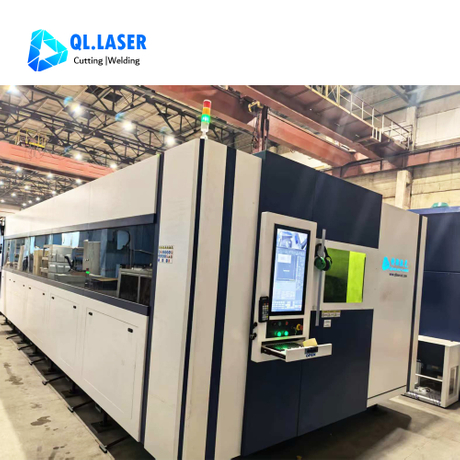
High-power fiber lasers dominate the current industry narrative. They easily conquer thin-sheet metal fabrication. We often hear they represent the ultimate solution for every metalworking shop. However, chasing maximum laser wattage for heavy-duty structural steel frequently leads to bloated capital expenditures (CapEx). It also creates severe operational bottlenecks on the factory floor.
In structural fabrication, extreme precision like ±0.02mm rarely defines success. Real throughput relies on processing thick, imperfect materials quickly. Lasers often introduce "fake efficiency" into heavy fabrication. You might cut plates faster, but you lose hours pre-cleaning rust. You also waste valuable time maneuvering massive beams into restrictive safety enclosures. Real productivity drops significantly.
This article defines the exact structural steel applications and operational realities where plasma technology reigns supreme. We will show you exactly how a CNC Plasma Cutting Machine delivers superior ROI, lower cost-per-part, and better facility integration compared to high-power lasers.
Key Takeaways
CapEx vs. OpEx Reality: CNC plasma systems typically require a fraction of the initial investment ($50k–$100k vs. $250k–$1M+) while maintaining competitive per-meter operating costs on thick plates.
Material Tolerance: Unlike fiber lasers, plasma arcs do not require pristine surfaces; they effortlessly cut through mill scale, rust, and heavy primers, eliminating costly pre-treatment.
The Thickness Threshold: For mild and structural steel above 12mm (1/2 inch), High-Definition (HD) plasma matches or exceeds the practical edge quality needed for structural welding, with superior scalability up to 80mm.
Operational Footprint: Open-gantry plasma tables allow for rapid overhead crane loading of massive structural beams, bypassing the restrictive Class 1 safety enclosures required by high-power lasers.
The "Fiber Laser Hype" vs. Structural Steel Reality
Many buyers purchase fiber lasers based on maximum wattage. They completely ignore their actual production mix. This mistake costs them dearly. If 15mm carbon steel makes up 80% of your daily work, a laser acts as an over-engineered tool. It becomes financially inefficient quickly. You pay heavily for micro-precision you never actually use. A 20kW laser cutting thick steel looks impressive in brochures. In reality, it ties up massive capital without boosting actual assembly speed.
Surface conditions add another massive hurdle for laser users. Fiber lasers demand pristine steel surfaces. Running dirty, rusty, or painted steel under a laser beam invites disaster. You risk immediate optic contamination. Beam reflection ruins expensive lenses instantly. You also lose cut consistency entirely across the plate. Heavy structural steel rarely arrives clean. It features thick mill scale and surface rust. Pre-cleaning these massive plates destroys your profit margins.
Hidden implementation risks further complicate laser adoption. A heavy structural shop cannot simply plug in a high-power laser. These systems demand expensive concrete foundation upgrades. They consume massive amounts of nitrogen and oxygen assist gas. Chiller units require strict climate-controlled environments to function properly. You must build Class 1 safety enclosures around the machine. These enclosures restrict overhead crane access severely. Plasma avoids these rigid facility upgrades completely.
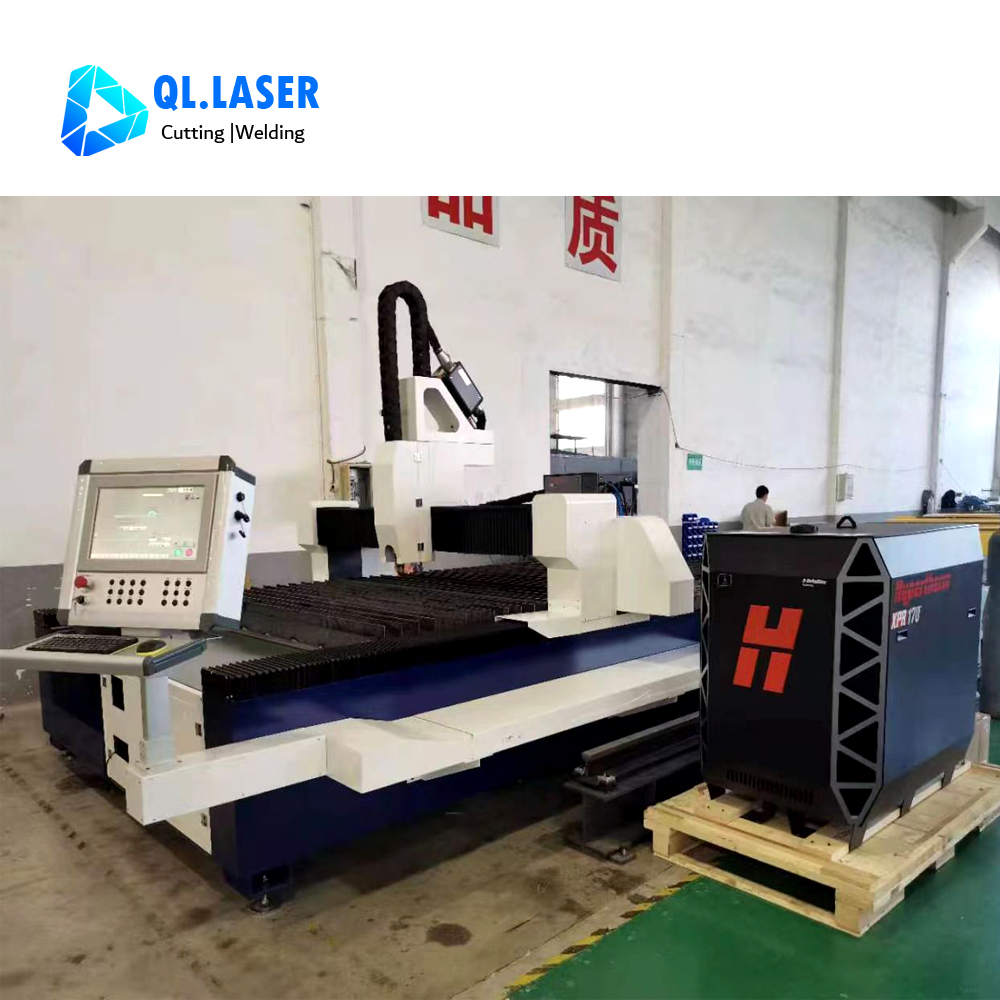
Top 10 Structural Applications Built for CNC Plasma Cutting Machines
1. Base Plates & Column Connections for Commercial Construction
Handling 20mm to 50mm thick carbon steel demands raw cutting power. Commercial construction projects prioritize structural integrity over micro-tolerances. Plasma cuts these massive ASTM A36 plates efficiently. Downstream welders appreciate the clean, predictable edges. They can strike arcs immediately without tedious edge grinding. High-definition systems punch through thick base plates reliably shift after shift.
2. Bridge Girder Webs and Flanges
Bridge construction requires processing massive, long-format steel plates. Open-table plasma systems allow continuous feeding. You gain unrestricted overhead crane access for loading and unloading. Lasers restrict this material flow inside enclosed cabins. Operators load heavy A572 Grade 50 steel seamlessly onto open plasma beds. This keeps massive infrastructure projects running on tight schedules.
3. Earthmoving & Mining Equipment (Buckets/Booms)
Mining equipment relies on tough abrasion-resistant plates like AR400 and AR500. Plasma excels at slicing these dense, thick alloys. Lower-power lasers struggle constantly against extreme heat-drift issues here. Heavy-duty plasma arcs maintain stability through dense material. They deliver clean cuts without warping the thick armor plates. Manufacturers depend on this stability for heavy earthmoving buckets.
4. Wind Turbine Tower Sections
Wind towers feature extreme plate thicknesses. They also necessitate heavy weld-prep beveling. You must execute V, Y, and K bevels right on the cutting table. High-definition plasma handles these compound angles effortlessly. Adding a 3D bevel head to a plasma gantry costs far less than a 5-axis laser head. It readies the steel for deep-penetration welding immediately.
5. Agricultural Machinery Chassis
Farming equipment needs heavy-duty low-carbon steel components. Modern robotic welding demands high part-to-part consistency. Modern HD plasma achieves this repeatability perfectly. It provides reliable tolerances across high-volume production runs. Tractor chassis frames fit together flawlessly in the welding jigs. You avoid the high operating costs associated with heavy laser cutting.
6. Shipbuilding Structural Ribs & Decks
Marine-grade steel typically features weldable zinc primers. Lasers struggle heavily with these coatings. Primer outgassing disrupts the laser beam and damages optics. Plasma cuts straight through coated plates without hesitation. Shipbuilders save thousands of hours annually. They bypass the need to grind off primer before cutting structural ribs.
7. Offshore Oil Rig Platforms
Offshore rigs operate in incredibly harsh environments. Rig fabrication requires deep penetration cuts. You must process thick-walled structural tubes and deck plates safely. Plasma arcs deliver the necessary depth and thermal power. They process heavy marine steel smoothly. Operators easily maintain dimensional accuracy on massive offshore components.
8. Heavy Industrial Crane Booms
Crane booms utilize specialized high-tensile steel profiles. You must manage edge hardening carefully during thermal cutting. Plasma parameters adjust easily for different alloys. You can dial them in to minimize the Heat Affected Zone (HAZ). This ensures strict structural compliance for lifting equipment. Engineers trust these cut edges for critical load-bearing joints.
9. Commercial Trailer Chassis Rails
Trailer chassis require extremely long continuous cuts on hot-rolled steel. The open architecture of plasma beds shines brightly here. You can design custom extended rails easily. These beds frequently exceed standard laser enclosure sizes. Fabricators routinely build 60-foot plasma tables. This allows continuous rail cutting without repositioning the heavy steel.
10. Heavy HVAC / Industrial Ventilation Supports
Industrial ventilation needs thick, galvanized structural supports. Laser assist-gas tuning becomes overly complex for this material. It also grows expensive quickly as zinc vaporizes. Plasma blasts through galvanized layers smoothly. Operators use standard compressed air or basic oxygen setups. They bypass the costly nitrogen consumption required by lasers on coated steel.
Head-to-Head Evaluation: Why Plasma Wins the Heavy Fabrication Business Case
Compare the real-world capital and operational economics directly. A 300A HD plasma system runs efficiently using shop compressed air. Basic oxygen setups work flawlessly too. Heavy-plate laser cutting demands massive nitrogen or oxygen consumption. You also face regular optic replacements and expensive preventative maintenance. The CapEx disparity is huge. You can purchase three heavy-duty plasma tables for the price of one 20kW laser. OpEx strongly favors plasma on plates over 12mm thick.
The beveling advantage remains distinct and highly profitable. Adding a 3D bevel head to a plasma machine proves highly cost-effective. It prepares weld joints instantly on the cutting bed. You reduce downstream manual grinding significantly. A 5-axis laser beveling head costs a fortune. Most job shops simply cannot justify that expense. Plasma beveling keeps structural steel moving straight to the welding bays.
Edge angularity and tolerances break old industry myths. Many believe plasma leaves a messy, unpredictable edge. This is completely false today. Modern HD plasma achieves ISO 9013 Class 2-3 tolerances on thick steel. You get near-zero dross on the bottom edge. Edge angularity stays under 2° consistently. This perfectly satisfies strict structural welding codes like AWS D1.1.
How to Evaluate a CNC Plasma Cutting Machine Manufacturer for Heavy Industry
Finding a reliable CNC Plasma Cutting Machine manufacturer matters immensely for your long-term success. You must separate capable machine builders from cheap commodity sellers. A good manufacturer engineers the entire motion control system perfectly. They do not just sell an imported arc power source bolted to a flimsy frame. Strong buyers inspect gantry rigidity closely. They test servo drive responsiveness. They look for superior vibration dampening. Heavy steel plates vibrate during cutting. Your gantry must absorb this shock to maintain edge precision.
Torch Height Control (THC) precision defines your ultimate cut quality. Structural steel rarely stays perfectly flat on the table. It warps and bows. THC acts as your most critical system component. The builder must offer real-time, highly reactive voltage-based THC. This prevents the torch from diving into bowed plates. It saves your expensive consumables from instant destruction. Poor THC ruins parts and halts production lines.
Consumable life and duty cycle dictate your daily operating costs. Ask vendors for verifiable performance data. Check their stated pierce limits on 25mm steel. Ask about consumable longevity per shift. This accurately reflects your true daily operating expenses.
Software and nesting integration streamlines your shop floor. Ensure the manufacturer provides intelligent software. It must natively handle structural specifics. Look for these critical software features:
Automated common-line cutting to save material.
Chain piercing features to reduce torch starts.
Automated lead-ins and lead-outs for thick plates.
Scrap minimization algorithms for large structural nests.
Conclusion
Buying an industrial cutting machine requires matching the technology to your dominant material profile. High-power lasers handle thin sheets beautifully. However, structural fabricators deal heavily in scaled, rusty, or thick plates exceeding 12mm. For these specific applications, CNC plasma remains the most financially sound choice. It offers a robust, highly reliable, and deeply profitable technology platform. It integrates seamlessly with overhead cranes and standard welding operations.
Audit your actual production data before making a final purchasing decision. Review your material grades and average daily thicknesses. Examine your raw plate surface conditions. Map out your required downstream weld preps. Do not chase the highest-wattage brochure specs blindly. Gather your real-world metrics first. Then, request a targeted vendor demo based entirely on those solid facts.
FAQ
Q: At what thickness does a CNC plasma cutting machine become more cost-effective than a fiber laser?
A: Generally, on mild steel thicker than 12mm (1/2 inch), HD plasma's cost-per-part drops significantly below laser. The speed gap also closes or reverses. This becomes highly apparent as you approach 20mm and beyond. Plasma requires less expensive assist gas and much lower initial capital.
Q: Do I need to sandblast or clean structural steel before plasma cutting?
A: No. Fiber lasers require completely clean surfaces to prevent optic damage and cutting failures. Plasma does not. It easily cuts through thick mill scale, surface rust, and heavy weldable primers. This saves your shop massive amounts of pre-processing labor.
Q: Can High-Definition (HD) plasma compete with laser on edge quality for structural welding?
A: Yes. On thick plates, HD plasma produces a highly weldable, dross-free edge. You experience minimal angularity. A laser provides a narrower kerf, true. However, the plasma's edge perfectly suits standard structural welding fit-ups. You easily meet stringent welding codes without secondary grinding.