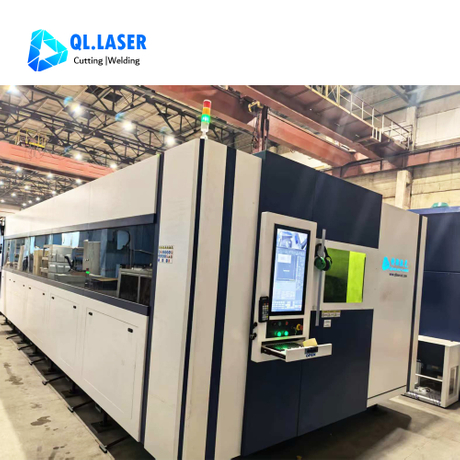
The metal fabrication industry has rapidly shifted away from manual, basic cutting techniques. Today, high-volume, automated production firmly dictates shop floor profitability. Edge quality, rapid processing speed, and optimized cost-per-part now define the modern workshop floor. Yet, selecting the precise automation tools to achieve these metrics often feels overwhelming.
A mismatched system inevitably causes severe production bottlenecks, wasted material, and frustrating downtime. Decision-makers evaluating metal-cutting options need highly reliable systems to keep operations profitable and continuously competitive. This guide actively moves beyond simple, textbook definitions.
It provides a highly clear framework for sizing, configuring, and sourcing a robust system perfectly aligned to your specific production goals. You will learn exactly how gas selection, amperage ratings, and machine structure directly impact your daily fabrication output.
Key Takeaways
Production Alignment: Sizing a machine correctly requires distinguishing between a manufacturer’s "severance" capacity and its continuous "production pierce" capacity.
Gas Selection Drives ROI: Choosing the right plasma and shield gases (Air, Oxygen, Nitrogen) directly impacts edge quality, secondary operations, and consumable costs.
Total Cost of Ownership: The upfront cost of a CNC plasma cutting machine is only part of the equation; evaluate torch height control (THC), software compatibility, and gantry stability.
Vendor Reliability: Selecting a verified CNC plasma cutting machine manufacturer with strong post-sale support and parts availability mitigates costly operational downtime.
The Working Principle: Why Plasma Excels in High-Volume Fabrication
Modern fabrication relies heavily on the CNC Plasma Cutting Machine to process thick metal sheets quickly and accurately. The core working principle involves passing an electrical arc through a highly compressed gas stream. This intense energy ionizes the gas, instantly transforming it into plasma. The resulting plasma jet reaches temperatures exceeding 20,000 degrees Celsius. It rapidly melts electrically conductive metals. Simultaneously, the pressurized gas stream powerfully blows away the molten material, creating a clear kerf.
We can easily translate this scientific process into tangible business value. You get extremely high-speed piercing capabilities. These cutting rates easily outperform traditional oxy-fuel methods. For medium-thickness steel plates, plasma delivers a remarkably low cost-per-part. It also offers significantly faster processing times compared to laser cutting systems. High-volume shops producing heavy equipment or structural steel benefit immediately from these accelerated production cycles.
However, we must remain entirely transparent about operational limitations. Plasma handles rapid, heavy-duty fabrication flawlessly. Yet, it does not achieve the ultra-tight, micron-level tolerances required for delicate precision work. If a specific application demands absolute surgical accuracy, you might need to evaluate waterjet or fiber laser alternatives. But for general structural fabrication, plasma remains the undisputed, cost-effective workhorse of the industry.
Evaluating Gas Types for Your Material and Quality Requirements
Selecting the correct gas profoundly influences edge quality, operational speed, and daily consumable consumption. Gas choice dictates the chemical reaction happening at the cut zone. We break down the primary gas options available to modern fabricators.
Standard compressed air serves as the most accessible and popular option. It works best for basic mild steel processing. Low-budget operations favor air heavily. The primary advantage remains its exceptionally low operating expense. You do not need to lease large gas cylinders. The trade-off involves a much higher likelihood of edge oxidation. You will often see noticeable dross accumulation requiring manual removal.
Fabricators processing carbon steel up to 1.25 inches thick should strongly consider industrial oxygen. You face higher initial setup expenses. You also consume more expensive, specialized nozzles. However, oxygen yields the fastest possible cut speeds on mild steel. It creates an exothermic reaction. This leaves exceptionally clean, weld-ready edges. By eliminating countless hours of secondary grinding, oxygen setups usually pay for themselves rapidly.
Processing non-ferrous metals requires specialized gas configurations. Nitrogen and argon-hydrogen blends work best for stainless steel and aluminum. They effectively prevent rapid oxidation. They preserve the structural integrity and visual finish of the material edge. Keep in mind, you must plan for distinct plumbing layouts and specialized ventilation requirements to handle these specialty gases safely.
You must carefully weigh the price of premium gases against labor savings. Use the decision framework chart below to match your operational priorities.
| Gas Type | Best Material Application | Primary Advantage | Notable Trade-offs |
| Compressed Air | Standard Mild Steel | Lowest operating cost, widely accessible | Higher dross levels, edge oxidation, slower speeds |
| Oxygen | Carbon Steel (up to 1.25 inches) | Fastest cut speeds, weld-ready edges | Higher setup cost, faster consumable wear |
| Nitrogen / Argon-Hydrogen | Stainless Steel, Aluminum | Prevents oxidation, excellent edge finish | Requires distinct plumbing, highest gas costs |
Material Thickness Capacity: Sizing Your Machine Correctly
Matching amperage to material thickness ensures consistent, high-quality results. Power supply amperage directly dictates cutting capability. For example, a 45A power supply efficiently handles thin HVAC sheet metal. Conversely, heavy structural plating demands robust systems rated between 100A and 200A or higher. Purchasing an underpowered system leads to severe beveling and ruined parts.
We must clearly distinguish between two critical vendor metrics. Understanding these terms prevents costly sizing mistakes. First, look at the Production Pierce Rating. This metric indicates the maximum thickness a machine can pierce repeatedly throughout a shift. It achieves this without splashing molten metal back into the torch shield. You must use the production pierce rating as your primary buying benchmark.
Second, vendors often advertise a Severance Rating. This represents the absolute maximum thickness the machine can cut. The torch must start from the very edge of the plate to achieve this. Severance capacity handles occasional heavy, rough jobs perfectly. Relying on it for continuous daily production proves incredibly risky. Edge starting slows down nesting times. It also stresses the power supply and destroys consumables rapidly.
When specifying equipment, always look toward future business growth. We strongly recommend selecting a power supply rated 20 to 30 percent higher than your current average daily thickness requirement. This strategic power buffer accommodates heavier future contracts. You avoid purchasing a completely new system when your shop takes on larger structural projects.
Core Evaluation Criteria for Decision-Makers
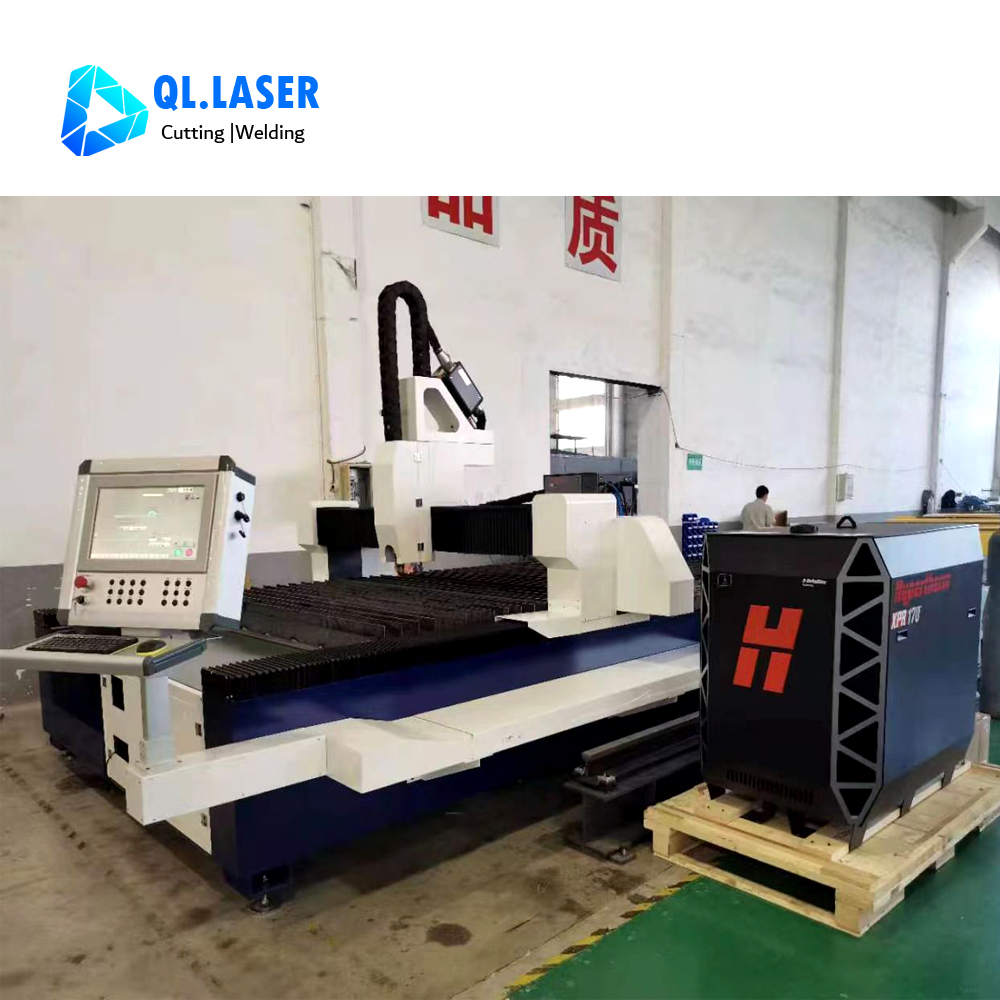
Beyond just the plasma power supply, the machine's supporting architecture determines its overall success. Subpar mechanics will ruin the output of an excellent plasma torch. Decision-makers must evaluate four core areas meticulously.
Structural Integrity of the Gantry and Table: High cutting speeds generate significant kinetic energy. A rigid, heavy-duty steel frame minimizes mechanical vibration effectively. Stable gantries directly translate into smoother, precise cuts. Flimsy aluminum frames often flex during rapid directional changes, causing jagged edges.
Automated Torch Height Control (THC): Raw metal plates rarely sit perfectly flat. They warp unpredictably due to intense thermal expansion. Automated THC actively measures arc voltage to adjust the torch height in real time. It remains non-negotiable for extending consumable life. It also ensures consistent bevel angles across uneven, wavy surfaces.
Software and Controller Compatibility: Your CAD/CAM integration shapes daily workflow efficiency. Ensure the machine's CNC interface seamlessly supports your existing nesting software. This integration drastically minimizes material waste. It also reduces operator training time significantly, getting your floor up to speed faster.
Facility Readiness and Implementation Risks: Preparing your shop floor prevents costly installation delays. Review these essential facility requirements early in the buying process:
Adequate 3-phase power supply to handle high-amperage draws consistently.
Proper, dedicated earth grounding to prevent severe CNC electrical interference.
Robust ventilation systems, such as advanced downdraft tables or specialized water tables, to capture hazardous fumes and metallic dust.
Partnering with the Right CNC Plasma Cutting Machine Manufacturer
Sourcing hardware represents only the beginning of your automation journey. Selecting a reliable CNC plasma cutting machine manufacturer significantly mitigates long-term operational risks. Your vendor relationship determines how quickly you recover from inevitable mechanical hiccups.
When production equipment goes down, every idle hour costs money. You must prioritize vendors offering rapid-response technical support infrastructure. Localized service teams or highly responsive remote diagnostic capabilities prove invaluable during sudden breakdowns. Ask potential vendors about their standard service level agreements and average response times.
Many buyers overlook the hidden, recurring risks of proprietary consumables. Relying exclusively on single-source, proprietary components often leads to frustrating supply chain bottlenecks. Industry-standard torch components guarantee you can always find replacement parts locally. This flexibility keeps your machines running even during global shipping delays.
Scrutinize the initial quote carefully regarding installation and training. Look for a partner offering explicit on-site commissioning. Operator training should never appear as a surprise, hidden line item on the final invoice. Hands-on training ensures your team confidently operates the complex system safely from day one.
Finally, read the warranty documentation thoroughly before signing. Distinguish clearly between comprehensive system warranties and limited, parts-only agreements. A robust warranty covers key electronics, servo motors, and the associated labor required to replace them.
Conclusion
Successful deployment demands careful alignment of machine capabilities to your exact shop workflow and material requirements.
Begin your optimization journey by conducting a detailed time-study on your current cutting bottlenecks.
Map out your typical material thicknesses accurately to determine a realistic production pierce rating requirement.
Analyze your post-cutting operations to justify a potential upgrade to oxygen or specialized nitrogen gas setups.
Schedule a consultation with an integration expert, request specific material test-cuts, or download a comprehensive buyer’s specification template to guide your final decision confidently.
FAQ
Q: What is the true operating cost per hour of a CNC plasma cutting machine?
A: Operating costs depend heavily on your specific setup. Typical expenses range from $15 to over $40 per arc hour. This calculation includes electricity usage, gas consumption, and routine consumable replacement like nozzles and electrodes. Higher amperage cuts and premium gases naturally push this hourly rate higher.
Q: How does CNC plasma cutting compare to fiber laser cutting?
A: Plasma requires a significantly lower initial capital investment. It excels specifically at cutting thicker plate steel exceeding 1/4 inch. Fiber laser technology provides much higher precision and substantially faster cutting speeds on thin-gauge metals. Choose based primarily on your typical daily material thickness.
Q: What are the primary maintenance requirements?
A: Consistent maintenance ensures optimal performance. You must regularly replace worn consumables and clean the main torch body. Operators should periodically inspect the gear racks and pinions for debris buildup. Maintaining proper fluid levels in the water table or cleaning dust collection filters also remains crucial.
Q: Can a CNC plasma machine cut non-conductive materials?
A: No. The plasma cutting process fundamentally requires a completed electrical circuit to function. Therefore, it only operates successfully on electrically conductive metals. Common compatible materials include carbon steel, stainless steel, aluminum, brass, and copper. Plastics or wood require routers or lasers instead.