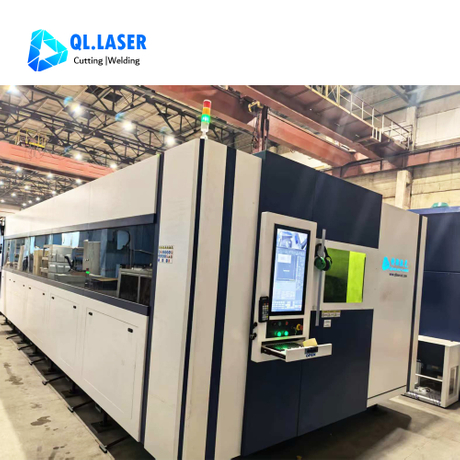
Traditional sheet-fed laser cutting introduces inherent bottlenecks for modern fabricators. Operators constantly load new materials. They process excessive scrap from sheet borders. Floor teams rely heavily on manual or robotic sheet handling. For high-volume manufacturers, these limitations cap throughput and inflate part costs. A coil fed laser cutting machine shifts your production from rigid batch processing to continuous manufacturing. By feeding metal directly from a massive master coil into the laser envelope, fabricators achieve near-zero idle time. You also maximize material utilization instantly. This guide details the specific industrial applications of coil-fed systems. We break down the technical evaluation criteria needed for upgrading your shop floor. Finally, we highlight the real-world implementation realities of adopting continuous cutting technology. You will discover how removing standard sheet margins directly impacts your bottom line. Read on to evaluate if continuous automation fits your factory layout.
Key Takeaways
Primary Function: Coil-fed lasers are used to automate the transition of raw metal coils into finished, nested parts without intermediate shearing or blanking steps.
Core Advantage: Eliminates standard sheet constraints, allowing for 100% continuous nesting which typically reduces material scrap by 10% to 15%.
System Integration: Success depends not just on the laser, but on the precision of the integrated coil unwinding and leveling machine to prevent material stress and head crashes.
Ideal Use Case: Best suited for high-volume, repetitive production environments (automotive, HVAC, appliances) where long, uninterrupted production runs justify the initial capital expenditure.
The Mechanics of a Coil Laser Cutting Line
De-Coiling and Feeding
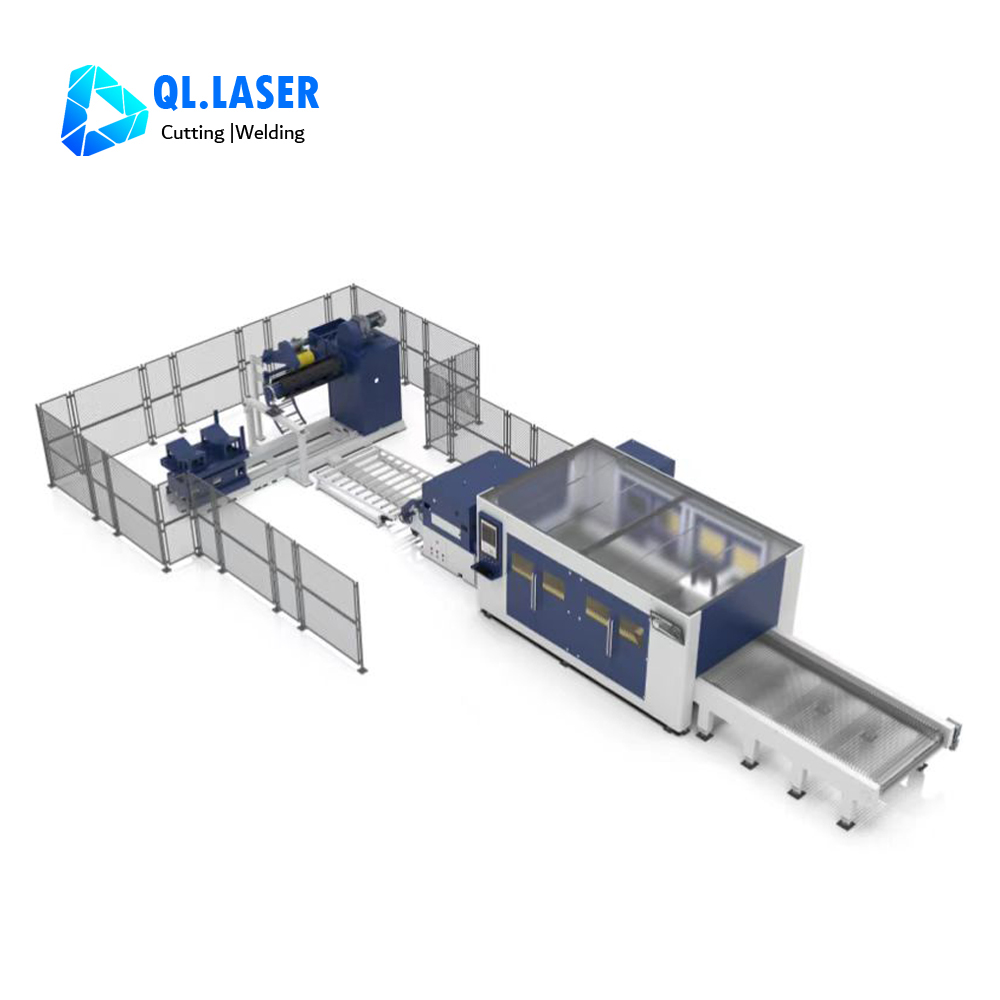
The front-end process dictates the overall speed and stability of the entire production line. Processing begins when a heavy-duty motorized decoiler unspools the raw metal. The decoiler feeds this material directly into an accumulator pit. This accumulator creates a necessary slack loop in the metal web. Maintaining this slack loop prevents sudden tension spikes during high-speed indexing. If the laser accelerates rapidly, the slack loop absorbs the mechanical pull. This isolation protects the cutting head from vibration. It also ensures consistent material tracking through the rest of the machine.
The operator loads the master coil onto the expanding mandrel.
The decoiler slowly rotates, feeding material into the looping pit.
Sensors monitor the loop depth to control the decoiler speed.
Material travels upward into the straightener rolls for conditioning.
The Critical Role of Leveling
Installing an integrated coil unwinding and leveling machine is strictly non-negotiable for continuous manufacturing. Raw metal coils store massive amounts of internal stress known as coil memory. If you introduce unlevel material into a tight laser enclosure, it will bow upward. This bowing leads to catastrophic laser head collisions. The leveling unit neutralizes this internal material stress. Multiple staggered rollers bend the metal past its yield point. This rigorous flattening process ensures the metal lays perfectly flat inside the cutting bed. Proper leveling guarantees tight tolerances and protects sensitive optic lenses.
Continuous Cutting Synchronization
An automatic coil processing machine must precisely synchronize its feed mechanisms. It pairs the conveyor or pinch-roll feed directly to the laser gantry system. This integration allows for cutting on the fly or high-speed indexing. As the material moves forward, the control software calculates the exact position of the web. The cutting head moves simultaneously to match the material speed. This synchronized motion eliminates stop-and-go delays. Continuous web feeding keeps the laser beam active for a higher percentage of your operating shift.
High-Volume Applications: What Is It Actually Used For?
Automotive Blanking and Stamping Replacement
Automotive manufacturers leverage this technology to replace expensive hard tooling in traditional stamping presses. Stamping dies cost thousands of dollars and take weeks to manufacture. A coil laser cutting line allows for immediate design changes on structural components. Engineers can alter brackets and motor laminations instantly without retooling delays. This flexibility proves invaluable during the prototyping phase and mid-volume production runs. Automakers achieve faster time-to-market while reducing their tooling inventory.
HVAC, Roofing, and Ductwork
The HVAC and roofing industries demand exceptionally long, non-standard parts. These profiles easily exceed traditional sheet dimensions. Continuous systems excel at producing long duct wrappers and continuous standing seam panels. Standard flatbed lasers restrict you to a maximum sheet length. Coil processing removes this physical barrier entirely. You can cut parts measuring dozens of feet long in one continuous motion. This capability reduces secondary welding and joining processes later.
Continuous standing seam roofing panels
Extra-long commercial ductwork wrappers
Seamless architectural louvers
Extended structural channels
White Goods and Metal Furniture
Appliance manufacturers use continuous setups to mass-produce standardized appliance panels. The metal furniture sector relies on them for processing internal frames. These facilities require zero material handling interruptions to meet output quotas. By eliminating manual sheet loading, production lines run autonomously for hours. Operators simply monitor the offloading conveyor. This streamlined approach keeps assembly lines fully stocked without costly delays.
Heavy Gauge Structural Parts
Modern continuous systems offer remarkable scalability across various material types. You can process thin-gauge aluminum just as easily as thicker structural components. When equipped properly, the machine serves as a dedicated 6mm coil cutter for heavy carbon steel. Processing heavy gauge metal from a coil requires robust straightener rolls. It also requires substantial clamping force to push thick web through the cutting zone. High-power fiber lasers vaporize these thicker materials efficiently.
Coil-Fed vs. Traditional Sheet-Fed Laser Systems: Evaluating ROI
Material Utilization (Nesting Efficiency)
Traditional flatbeds force programmers into bounded sheet nesting. You must leave margins around the entire perimeter of every individual sheet. Continuous processing unlocks infinite length nesting. Removing the leading and trailing edge margins of precut sheets directly lowers your cost-per-part. Parts can interlock seamlessly across the boundary where a sheet edge would normally exist. This single advantage typically reduces raw material scrap by ten to fifteen percent.
Nesting Efficiency Comparison Chart
| Feature | Traditional Sheet-Fed Laser | Coil-Fed Laser System |
| Nesting Boundaries | Constrained by standard sheet edges (e.g., 4x8, 5x10). | Infinite web length; unconstrained continuous nesting. |
| Edge Scrap | Requires leading, trailing, and side clamps/margins. | Eliminates leading and trailing margins entirely. |
| Part Interlocking | Limited to the current single sheet layout. | Parts interlock across continuous meters of material. |
| Average Yield Increase | Baseline yield. | Typically +10% to +15% higher material yield. |
Cycle Time and Labor Reduction
Every time a traditional laser finishes a sheet, the machine stops. You must offload the skeleton and load a fresh blank. A continuous metal cutting machine eliminates this frustrating sheet-swapping downtime. It actively removes the need for forklift operators to constantly transport raw sheets. Labor hours redirect toward quality control or secondary operations. Your spindle time dramatically increases because the laser rarely pauses for raw material changes.
Inventory and Logistics
Contrast storing standard sheet pallets versus storing raw coils. Pallets require significant racking space and complex logistics. Coils require much less physical footprint per ton of steel. Steel mills also generally sell coils at a lower price per pound than processed sheets. Buying raw material in bulk coils cuts purchasing costs immediately. Your facility handles fewer logistical movements per shift, enhancing overall plant safety.
Technical Evaluation Criteria for a Mass Production Laser System
System Footprint and Layout
Implementing continuous automation requires assessing your facility layout carefully. Coil lines demand significant linear floor space. Installations often span 20 to 40 meters in length. You must accommodate the decoiler, the straightener unit, the looping pit, and the extraction tables. You cannot bend or angle the production line easily. Ensure your factory floor can support the heavy foundation requirements of the accumulator pit. Proper layout planning prevents severe workflow bottlenecks.
Standard Footprint Requirements
| Module | Estimated Linear Space | Foundation Requirement |
| Decoiler & Coil Car | 3 to 5 meters | Reinforced concrete pad |
| Leveler & Straightener | 2 to 4 meters | Standard factory flooring |
| Looping Pit (Accumulator) | 3 to 6 meters | Excavated floor pit (depth varies) |
| Laser Enclosure & Cutting Bed | 6 to 12 meters | Isolated vibration pads |
| Extraction Conveyor | 4 to 8 meters | Standard factory flooring |
Material Thickness and Laser Capacity
Evaluate the pairing of your fiber laser wattage with the mechanical leveling capabilities. A high-wattage laser means nothing if the straightener cannot flatten the metal. Ensure the straightener rolls and pinch drives hold appropriate ratings for your maximum intended material. If you plan to cut thick plate, verify the components can genuinely perform without stalling. Insufficient leveling pressure will leave heavy materials bowed inside the cutting envelope.
Dual-Mode Flexibility
Many facilities are not ready to commit to 100% coil processing. If this sounds like your shop, evaluate hybrid dual-mode machines. These flexible configurations allow for both coil-fed processing and traditional single-sheet manual feeding. You can run large volumes from a coil during the night shift. During the day shift, operators bypass the coil feeder to load standard sheets manually. This versatility perfectly supports short-run jobs and rapid prototyping work.
Software and MES Integration
Software dictates the true efficiency of a mass production laser system. Assess the proprietary nesting software thoroughly. It must natively support continuous web cutting. The software must automatically apply micro-joints to specific parts. Micro-jointing keeps small parts from falling through the machine slats before extraction. Furthermore, the control platform must integrate directly with your existing ERP/MES systems. Seamless data integration allows for automatic job queuing and real-time production tracking.
Implementation Realities and Production Risks
Initial Capital Expenditure (CapEx)
Acknowledge transparently that upfront equipment costs run substantially higher than standalone flatbed lasers. You are purchasing a complete automated production line. Your return on investment model must rely on extremely high utilization rates. Facilities running multi-shift operations recoup this investment rapidly. Single-shift job shops may struggle to justify the initial expenditure. Run a detailed volume analysis before signing an equipment purchase order.
Maintenance Overhead
Continuous systems introduce added mechanical complexity to your shop floor. Facility maintenance now includes servicing hydraulic decoilers and motorized straightener rolls. Teams must also maintain automated part-sorting mechanisms. This complexity requires cross-trained technicians capable of troubleshooting both optics and heavy hydraulics. Do not underestimate the need for robust preventative maintenance schedules. Neglecting the front-end leveling rolls will quickly degrade your cutting accuracy.
Common Mistakes: Overlooking straightener roll maintenance ranks as the highest cause of poor cut quality. Fabricators often blame the laser parameters when the actual issue stems from dirty or worn leveling rollers.
Part Extraction Strategies
Address the serious bottleneck of part offloading. Operating a continuous production line means you produce parts much faster than manual sorting handles. Evaluate the necessity of automated extraction solutions. Common upgrades include automated drop-doors, magnetic conveyors, or robotic pick-and-place systems. If you fail to automate the offloading phase, you will constantly halt the laser. The machine will sit idle while operators frantically clear the conveyor belt.
Conclusion
A continuous laser line is not a general-purpose job shop tool. It remains a highly specialized asset designed for aggressive cost-down strategies in mass production. Facility managers should strictly prioritize vendors demonstrating robust front-end leveling technology. The laser cutting head is only as reliable as the flatness of the material fed beneath it. Conduct a detailed time-study and scrap-analysis immediately. Compare your current standard sheet yields against infinite continuous nesting models. These metrics will validate your expected timeline before you initiate an equipment RFP.
FAQ
Q: Can a coil-fed laser line also cut standard pre-cut sheets?
A: Yes, many modern systems feature a dual-feed design. This allows operators to easily bypass the coil feeder entirely. They can manually load single sheets for custom or low-volume jobs without dismantling the main line.
Q: What is the maximum material thickness a coil-fed laser can process?
A: While historically limited to thin gauges, advanced leveling systems and high-power fiber lasers push these limits. Many modern lines process mild steel up to 6mm, and sometimes 8mm, depending strictly on the equipment specifications.
Q: How does part sorting work on a continuous laser cutting line?
A: Unlike traditional static beds, parts are typically micro-jointed directly to the skeleton. They travel out on a conveyor belt. Alternatively, parts drop through trapdoors onto secondary sorting conveyors to prevent halting the main laser.
Q: Does coil-fed laser cutting replace traditional stamping?
A: For many mid-to-high volume applications, yes. It eliminates the need for custom dies. This allows for rapid prototyping, zero-cost design changes, and highly profitable production of complex geometries that remain too costly to stamp.